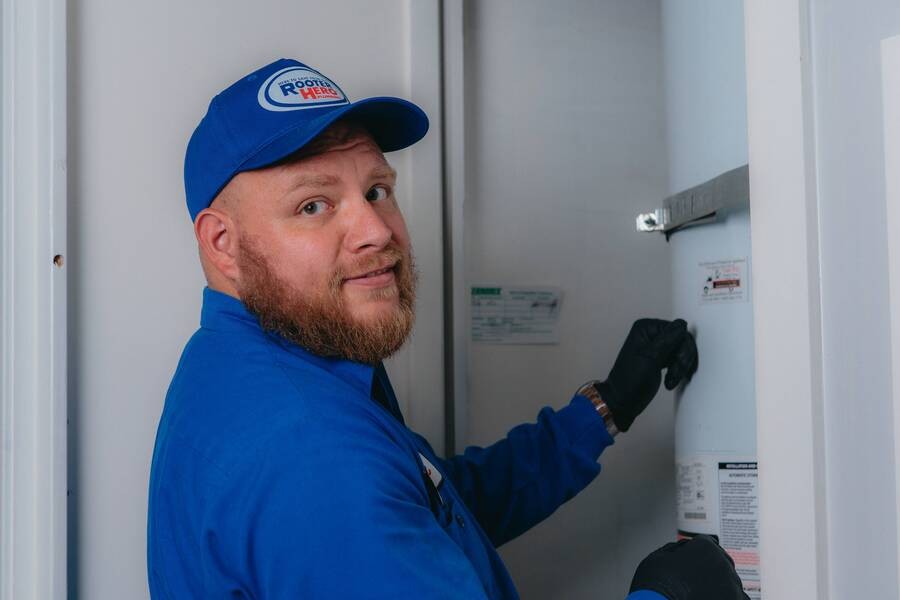


Every week I walk into homes where the owner has no idea where their main water shutoff is. They've been pouring grease down the kitchen drain for years. There's a slow drip under the bathroom sink that's been going for so long the cabinet floor has started to rot out. These aren't rare situations. They're the norm.
Owning a home changes your relationship with plumbing in a way that renting never does. When something goes wrong in a rental, you call the landlord. When something goes wrong in your home, you call a plumber — and if it's been ignored long enough, that call is going to cost a lot more than it should have. The good news is that most of the worst problems I see are preventable. The homeowner just didn't know what to watch for.
Here are the things I tell every new homeowner before anything else.
Find Your Main Water Shutoff Right Now
Not this weekend. Today. Before you go to bed tonight, you should know exactly where your main water shutoff valve is and be sure it actually turns.
In most homes, the shutoff is either near the street inside a ground box (look for a round metal cover in your yard or sidewalk, usually close to the curb), near the water meter inside the home, or in a utility room or basement. If you're in an older house, the valve may be a gate valve, which requires multiple turns. Newer homes typically have a ball valve that turns 90 degrees to shut off.
While you're at it, locate the individual shutoffs under each sink and behind each toilet. These are the smaller valves on the supply lines. They let you cut off water to one fixture without killing the whole house. In an emergency, knowing where these are can be the difference between a minor repair and replacing flooring and drywall.
2. Small Leaks Are Never Small
I hear it all the time: "It's just a small drip, I've been meaning to get to it." A dripping faucet is not just annoying. It's a warning. And a slow drip under a sink cabinet is actively causing damage every single day it's left alone.
The drip you see is rarely the whole story. Water travels along pipes, down cabinet walls, and pools in places you can't see. Over weeks and months, that produces mold, rot, and structural damage to the cabinet floor, the subfloor beneath it, and in some cases the wall framing. What starts as a $75 faucet repair can turn into a $1,500 job once water damage gets involved.
If you see a drip, deal with it within a week. Not eventually.
3. Your Drains Are Not a Trash Can
This is probably the tip I repeat most often, and the one that gets ignored the most. Drain lines are not designed to handle most of what people put down them. Here is what I tell people to stop putting in their drains:
Cooking grease is the big one. Pouring bacon grease or cooking oil down the drain, even with hot water, is a slow-motion disaster. The grease cools, sticks to the pipe walls, and builds up layer by layer until you have a blockage. It does not just wash away.
Wipes are the second biggest culprit. Even products labeled "flushable" do not break down the way toilet paper does. I pull these out of mainlines on a regular basis. They clump together, catch other debris, and create blockages that require professional clearing.
Coffee grounds, pasta, rice, and other food waste are also problems in kitchen drains. Coffee grounds collect at bends and traps. Pasta and rice absorb water and expand, packing themselves into the trap. A garbage disposal handles some of this, but it is not a catch-all.
For the shower, get a hair catcher. They cost about five dollars at any hardware store. A single hair catcher prevents the type of drain clog that costs several hundred dollars to snake out properly.
4. Flush Your Water Heater Once a Year
This is the maintenance task that almost nobody does and that makes a real difference over the life of the unit.
Sediment, mostly calcium and magnesium minerals from your water supply, settles at the bottom of tank water heaters over time. That layer of sediment insulates the water from the burner, forcing the heater to work harder and run longer to reach temperature. You pay more on your energy bill, the unit runs hotter, and the tank itself degrades faster. A water heater that could last 12 years might start failing at 8 if it's never been flushed.
The process is straightforward: connect a garden hose to the drain valve at the bottom of the tank, run it somewhere the hot water can safely drain, and let it run until the water comes out clear. It takes about 20 minutes. Set a calendar reminder so it actually happens.
5. Check Under Your Sinks Every Few Months
Most supply line failures happen under kitchen and bathroom sinks where no one ever looks. The supply lines, those braided or rubber hoses connecting your shutoff valves to the faucet, have a finite lifespan. Older rubber hoses especially can crack, bulge, or fail with very little warning.
While you're under there, check the P-trap (the curved pipe under the drain) for drips or mineral buildup. Look at the cabinet floor itself. Any soft spots, staining, or discoloration means water has been sitting there. Catching this early is the difference between replacing a $12 supply line and replacing a $12 supply line plus gutting the cabinet floor.
Braided stainless supply hoses are a cheap upgrade, about $10 to $15 each, and significantly more durable than the rubber alternatives. If your sinks still have rubber supply hoses and they're more than five years old, I'd replace them on a slow weekend afternoon without waiting for them to fail.
6. Know What Your Water Pressure Should Be
Normal residential water pressure runs between 40 and 80 PSI. High pressure feels fine to live with, but anything consistently over 80 PSI is stressing your supply lines, washing machine hoses, toilet fill valves, and faucet cartridges. It's one of the more common hidden causes of premature fixture failure.
Checking it takes five minutes. Most hardware stores sell a simple pressure gauge that threads onto a standard hose bib for around $10. If your pressure is running high, a pressure-reducing valve (PRV) is worth the installation. It protects every water-using appliance and fixture in the house.
Low pressure is worth investigating too, especially if it's gotten noticeably worse over time. That can indicate buildup in older galvanized pipes, a partially closed shutoff, or in some cases a supply line issue from the street.
7. Watch Your Water Bill
An unexplained spike in your water bill is a plumbing problem until proven otherwise. The most common culprits are a running toilet, an outdoor irrigation leak, or the early stages of a slab leak.
A toilet that runs continuously because the flapper no longer seals properly can waste 200 gallons a day or more. You may not hear it running if it's a slow leak past the flapper into the bowl. The dye tablet test works well here: drop a dye tablet or a few drops of food coloring into the tank and wait 10 to 15 minutes without flushing. If color shows up in the bowl, the flapper is leaking. A replacement flapper is a $10 to $20 fix.
If you can't identify the source of a higher bill and you've ruled out toilets and outdoor irrigation, it may be worth having a plumber check for supply line or slab leak activity. Catching a slab leak early saves a significant amount of money compared to letting it run.
8. Know Which Plumbing Jobs Need a Pro
I'll be direct about this. Some things are genuinely DIY-friendly, and some things are not, and the line matters.
You can reasonably handle: unclogging a sink trap, replacing a toilet flapper, swapping a faucet cartridge, tightening a loose supply line connection, or installing a new showerhead. These are low-risk tasks with parts available at any hardware store.
You should always call a licensed plumber for: anything involving the main sewer line, water heater replacement or installation, any leak inside a wall or under a slab, gas line work, and any job that requires pulling a permit. These are situations where a mistake creates a much larger and more expensive problem, or a safety hazard. Permits exist for a reason, and unpermitted work on systems like water heaters and gas lines can create issues when you sell the home.
If you're unsure whether something is a DIY job, a quick call to a plumber for advice costs you nothing.
If you've noticed something after reading this, a drip you've been ignoring, pressure that seems off, or a water heater that's never been serviced, Rooter Hero Plumbing is available 24/7 to help. Our technicians are background-checked, licensed, and insured, and there are no extra fees for evenings, weekends, or holidays. Give us a call at (866) 941-8214 or book online. We're here when you need us.