A slow drain can be annoying, but a fully clogged drain can throw off your whole day. If you see water collecting in the shower or your kitchen sink just won’t drain, knowing what to do next can save you time and keep a small problem from getting bigger.
Rooter Hero Plumbing has handled all types of clogs, from hair and soap in bathroom drains to years of grease in kitchen pipes. The good news is that some clogs can be fixed with simple home methods. If those don’t work, it’s usually a sign of a bigger issue.
If water has stopped moving completely in your drain, contact us at (866) 941-8214 to schedule drain cleaning service in Los Angeles or Phoenix with our team.
Is Your Drain Fully Clogged or Just Slow?
Not every slow drain means there’s a full blockage. A clear difference exists between the two, and knowing which one you have helps you decide what to do next.
A slow drain still lets water through, just not quickly. You might see a small backup that clears a minute or two after you’re done using the sink or shower. A fully clogged drain won’t move water at all, or it backs up right away and holds water in the basin.
Watch for these signs that your drain is completely blocked:
- Standing water that doesn't move – If water stays in the sink, tub, or floor drain for several minutes without draining, a full blockage is likely somewhere in the line.
- Gurgling sounds from other drains – If one clogged drain causes air to move through the pipes, you might hear gurgling from nearby drains or toilets. This often means a blockage is deeper in the line that a simple fix can’t reach.
- Sewage odor near the drain – If you notice a strong, unpleasant smell near a drain, especially one that hasn’t drained recently, it could mean a backup is trapping material and producing gas. This should be taken seriously.
- Multiple drains backing up at once – If your toilet, tub, and sink are all slow or stopped at the same time, the blockage is probably in a shared sewer line, not just one drain.
A single slow drain is usually a local issue. But if several drains stop working or one drain won’t move any water, it’s time to call a professional.
DIY Fixes That Are Worth Trying First
If just one drain is fully clogged, you can try a few things before calling a plumber, as long as the problem is only with that one fixture.
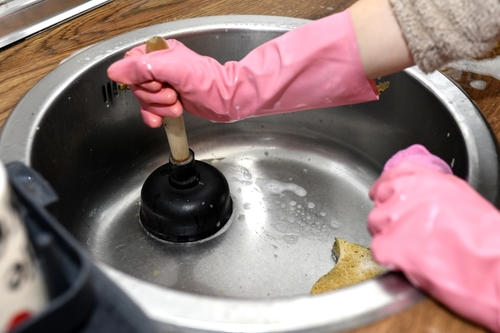
Start with a regular plunger. Use a cup plunger for sinks and tubs, and a flange plunger for toilets. Make a good seal and use steady, firm strokes. After 10 to 15 plunges, run water to check if it drains better. If it does, repeat until the drain is clear.
If plunging doesn’t work, try taking out and cleaning the drain stopper or strainer. Hair, soap, and debris often build up just below the surface. In bathroom sinks, removing and cleaning the pop-up stopper by hand can clear many clogs without extra tools.
For kitchen sinks, look at the P-trap under the cabinet. This curved pipe keeps sewer gases out but also collects grease and debris. Put a bucket underneath, unscrew the P-trap, clean out any buildup, and put it back. This simple fix often solves the problem.
Don’t use chemical drain cleaners. They can harm older pipes, are unsafe if they touch your skin, and often just push the clog further down without clearing it. Our plumbers see the damage from these products more often than you might think.
When It's Time to Call a Professional
Sometimes, more plunging won’t help. That’s when you need a licensed plumber.
If you notice the following warning signs, it’s time to call our team:
- The clog comes back within a few days – If a blockage clears but returns quickly, buildup is likely deeper in the drain. Our technicians use video inspection tools to pinpoint the exact problem rather than guessing.
- You smell sewage indoors – If you notice a strong sewage smell inside, even without a visible spill, there may be a blockage letting sewer gases into your home. This needs immediate attention.
- Your home has older cast-iron or clay drain lines – Homes with older plumbing in Los Angeles and Phoenix are more likely to have problems such as roots, corrosion, or shifted pipes that cause clogs. Our technicians consider your plumbing’s age and material when recommending solutions.
- DIY methods have failed more than twice – If you’ve tried twice and the clog is still there, it’s a sign the problem is too tough for household tools.
What Professional Drain Cleaning Involves
When our team arrives for a drain cleaning, we don’t guess. We start with a diagnostic inspection to find out where the blockage is, what’s causing it, and what the rest of the line looks like.
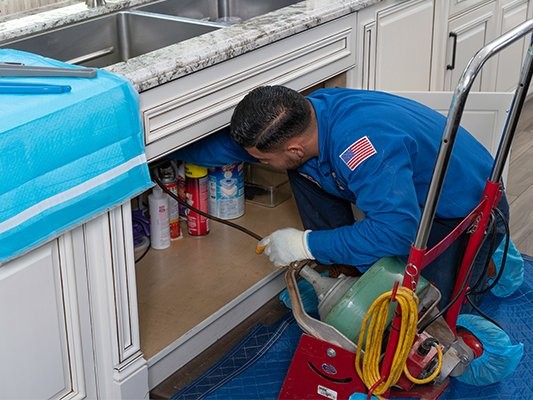
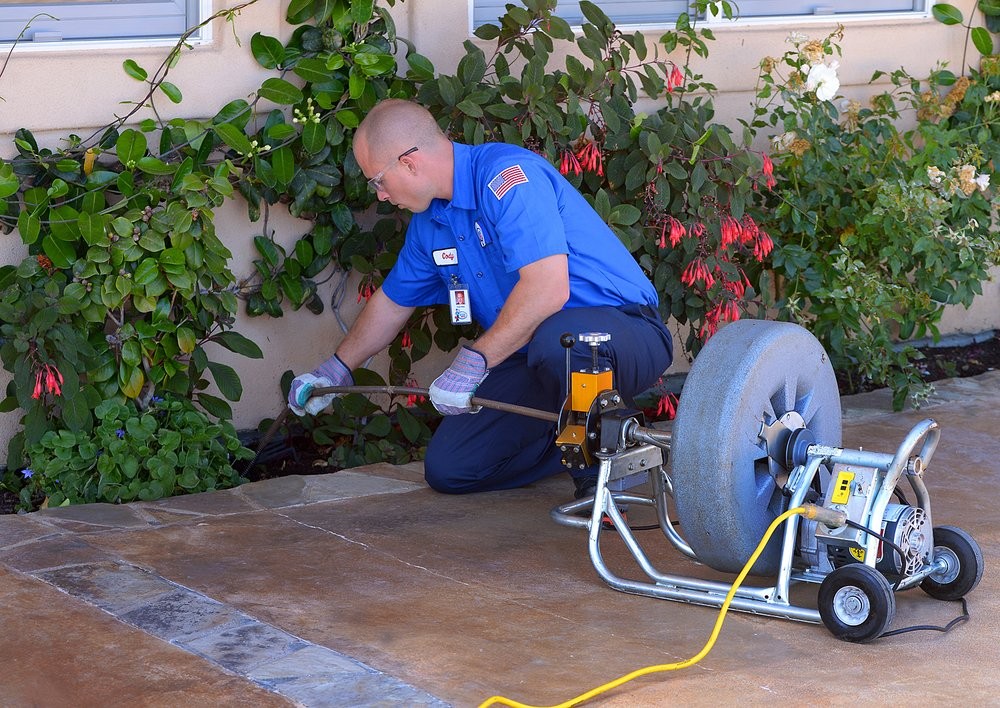
For most home drain clogs, our technicians use one of two main methods. Drain snaking uses a motorized tool to break up or pull out the clog and is effective for blockages near the drain. For tougher or deeper clogs, hydro jetting uses high-pressure water to clean the pipe walls and remove buildup like grease and mineral deposits.
If we can’t tell right away what’s causing the clog, our team uses video cameras to look inside the drain. This helps us see if it’s a buildup, roots, or a problem with the pipe itself. You’ll see what we see, so you can make the next decision with confidence.
Once the line is clear, we’ll go over what we found and explain your options. This could be a simple fix, a maintenance plan, or a suggestion for a long-term repair.
Schedule Drain Cleaning in Los Angeles or Phoenix
A clogged drain won’t fix itself. Whether your kitchen sink is stopped, your bathroom drain backs up when you shower, or several fixtures are slow at once, our team is here 24/7 with no extra charges for after-hours calls.
We help homeowners and businesses in Los Angeles and Phoenix. Our licensed and insured plumbers arrive on time and explain all your options before starting any work. If you’re in Orange County, our Anaheim team is ready to help, too.
Contact us at (866) 941-8214 to schedule professional drain cleaning in Los Angeles or Phoenix with Rooter Hero Plumbing. Our plumbers can identify the problem and clear your line properly.

.2603091544500.jpg)