

Most drain problems people think about involve solids: food scraps, hair, paper products that shouldn't have been flushed. But certain liquids cause serious damage too, and they're easier to overlook precisely because they go down so easily. The problem isn't always immediate. Some liquids solidify inside the pipe after the fact. Others corrode the line over time. And some pass straight through your plumbing and end up contaminating the broader water supply.
The short answer: cooking oil and grease, paint, chemical solvents, medications, motor oil and automotive fluids, large amounts of harsh cleaning chemicals, and flammable liquids should never go down the drain. This article covers each one, explains why it's a problem, and tells you what to do with it instead.
Cooking Oil and Grease
This is the most common drain-damaging liquid in the average home. Grease and cooking oil feel harmless because they go down warm and liquid. The problem happens after, once the oil cools inside the pipe. It solidifies and sticks to the pipe walls, layer by layer. Over months and years, that coating builds up and narrows the pipe until water can barely get through.
Bacon fat, pan drippings, butter, lard, coconut oil — none of it belongs in the drain. This is the single most common cause of kitchen sink clogs and a leading contributor to sewer blockages at the municipal level.
What to do instead: let the grease cool in a can or heat-safe container, then seal it and throw it in the trash. Some cities and counties also offer grease recycling programs, especially for larger quantities from cooking events.
Paint (Both Latex and Oil-Based)
People often rinse their paintbrushes in the sink without thinking twice, especially when using latex paint. Water-based doesn't mean drain-safe. Latex paint contains synthetic polymers that dry and harden. A few brush rinses over time add up to a thin, growing layer of buildup on the pipe interior. Multiply that across years and multiple paint projects, and you have a real problem.
Oil-based paint is in a different category entirely. It is classified as a hazardous material and is illegal to dispose of down the drain in most jurisdictions. The solvents and pigments it contains can harm water treatment systems and the environment.
What to do instead: latex paint can be dried out completely (pour thin layers into a cardboard box with cat litter to accelerate drying) and then thrown in the regular trash. Oil-based paint goes to a hazardous household waste facility. Many counties hold collection events for exactly this purpose.
Chemical Solvents and Adhesives
Paint thinner, turpentine, acetone, mineral spirits, adhesive removers, and similar products are toxic and corrosive. They can damage PVC pipe and other plastic drain components, and they are not filtered out by standard wastewater treatment. What goes down your drain can end up in rivers, groundwater, and eventually drinking water supplies.
These are also legally classified as hazardous waste in most states, meaning drain disposal is not just bad practice, it may also be a violation of local ordinances.
What to do instead: take them to a hazardous household waste drop-off location. Most counties hold periodic collection events, and some municipalities have permanent drop-off sites. Check your local government or public works website for the nearest option.
Medication and Prescription Drugs
Liquid medications, including cough syrup, liquid antibiotics, over-the-counter pain relievers, and liquid supplements, should not go down the drain. Wastewater treatment plants are not designed to filter out active pharmaceutical compounds, and studies have detected antibiotics, hormones, and other drug residues in rivers, lakes, and even treated drinking water in trace amounts.
The effects on aquatic ecosystems are a documented concern: estrogen-like compounds have been linked to reproductive changes in fish populations. The long-term effects on human health from low-level pharmaceutical exposure in water are still being studied.
What to do instead: most pharmacies participate in drug take-back programs. Many areas also have permanent drop boxes at police stations, hospitals, and pharmacies. The DEA coordinates a national drug take-back event twice a year. Check DEA.gov for the nearest location.
Motor Oil and Automotive Fluids
Used motor oil, antifreeze, transmission fluid, and brake fluid are all toxic and have no place in a household drain or the municipal sewer system. A single quart of motor oil can contaminate up to 250,000 gallons of groundwater. Antifreeze is particularly dangerous because it smells sweet and can attract animals if it pools anywhere in the yard or alley.
What to do instead: most auto parts stores accept used motor oil for recycling at no charge. Call ahead to confirm the store near you participates. Antifreeze and other automotive fluids are typically accepted at hazardous household waste facilities.
Large Amounts of Bleach or Harsh Cleaning Chemicals
A small amount of diluted bleach used to sanitize a sink or drain is generally fine. The issue is quantity and concentration. Pouring large amounts of undiluted bleach down the drain can corrode older metal drain lines and, in homes with septic systems, it kills the beneficial bacteria that the septic tank depends on to break down waste.
There is also a mixing hazard: if bleach encounters ammonia-based cleaning products already sitting in the drain, the reaction can produce chloramine gas, which is toxic and irritating to the respiratory system.
What to do instead: use cleaning chemicals in the amounts directed on the label. Dilute before use. Never mix bleach with other household cleaners, and never pour large quantities of concentrated bleach down any drain.
Flammable Liquids
Gasoline, lighter fluid, acetone, and alcohol in large quantities are fire and explosion hazards in the drain and sewer system. Vapors from flammable liquids can travel through the pipe system and accumulate in enclosed spaces. Disposing of these materials in a household drain is illegal under federal and most state environmental regulations.
What to do instead: take them to a hazardous waste facility. If you are unsure how to dispose of a specific flammable liquid, contact your local fire department or public works department for guidance.
What About Common Kitchen Liquids?
Not everything is a hazard. A glass of milk, some leftover broth, or the water you rinsed vegetables in are all fine. Dairy in very small amounts is not a meaningful concern for your pipes or the water supply, though large quantities can create biological oxygen demand issues at the treatment plant level.
Coffee is also fine in liquid form. Coffee grounds are a different matter entirely: they do not dissolve, they accumulate in the trap and the pipe, and they are a surprisingly common cause of kitchen drain clogs. They go in the trash or compost.
Juice, cooking water, and similar food liquids are generally harmless. When in doubt, the rule is: if it was solid before it got warm or liquid, think twice before sending it down the drain.
Signs Your Drains May Already Be Affected
If you have been disposing of any of the above liquids over a long period of time, you may already have buildup in the line. Here are the warning signs to watch for:
- The kitchen sink drains noticeably slower after cooking or washing dishes
- You hear gurgling sounds after water runs down the drain
- There is grease residue or film visible around the drain opening
- You have recurring clogs in the same fixture, even after clearing them
- There is a persistent foul odor from the drain without any visible blockage
Any one of these on its own may be minor. Multiple signs together, or a single issue that keeps coming back, usually means something is going on inside the line.
When to Call a Drain Specialist
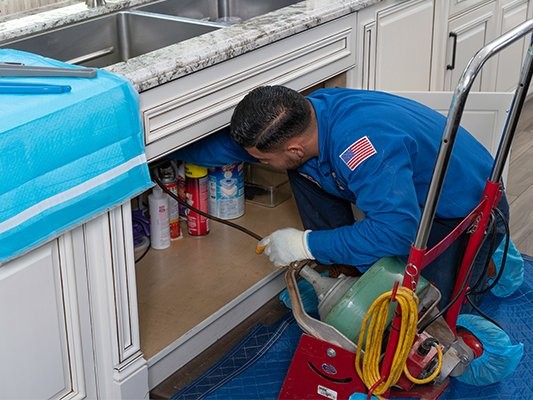
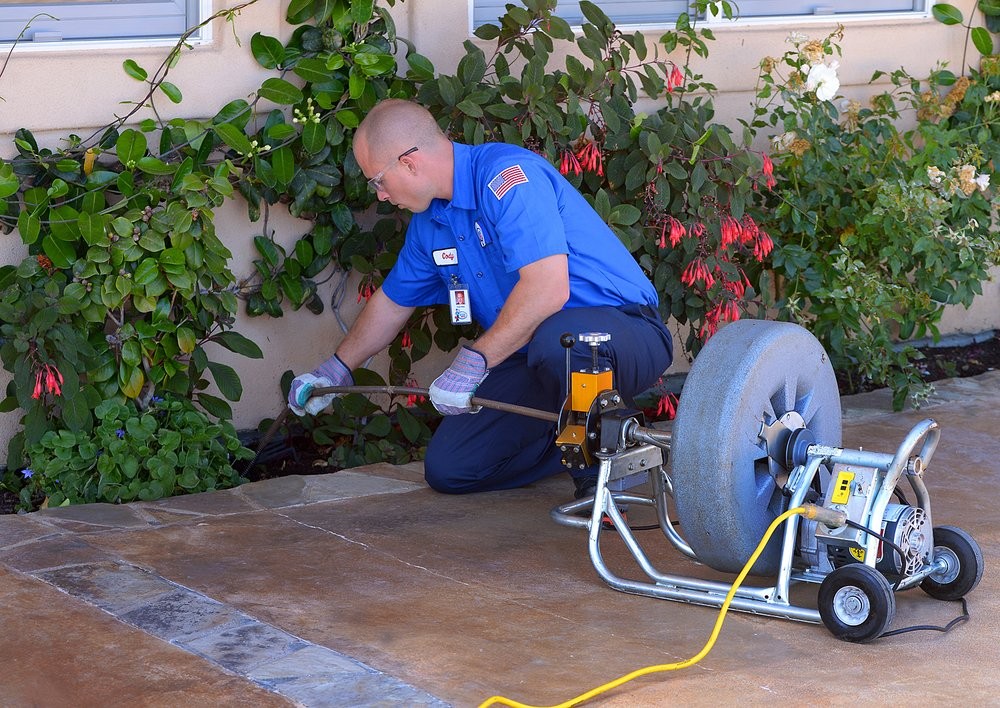
If you are dealing with recurring slow drains, backups that keep returning, or any reason to suspect buildup in the main sewer line, a professional drain cleaning is the most reliable fix. Rooter Hero Plumbing offers a $77 drain cleaning special and can also run a camera inspection to show you exactly what is happening inside the pipe before any work begins.
Available 24/7 with no extra charge for nights, weekends, or holidays. Call (866) 941-8214 to schedule service or request a same-day appointment.