Have you been struggling with a slow-draining sink or shower due to hair clogs? It’s a common household problem but one that can be frustrating to manage. At Rooter Hero, we often get asked whether commercial drain cleaners can effectively dissolve hair and clear up these pesky blockages. Continue reading to find out more about the pros and cons of using drain cleaners, how they affect your pipes and alternative methods for dependable drain cleaning.
Different Types of Drain Cleaners
When it comes to drain cleaners, the market offers a lot of different options, each designed to tackle different types of clogs. Here's a breakdown of the most common types:
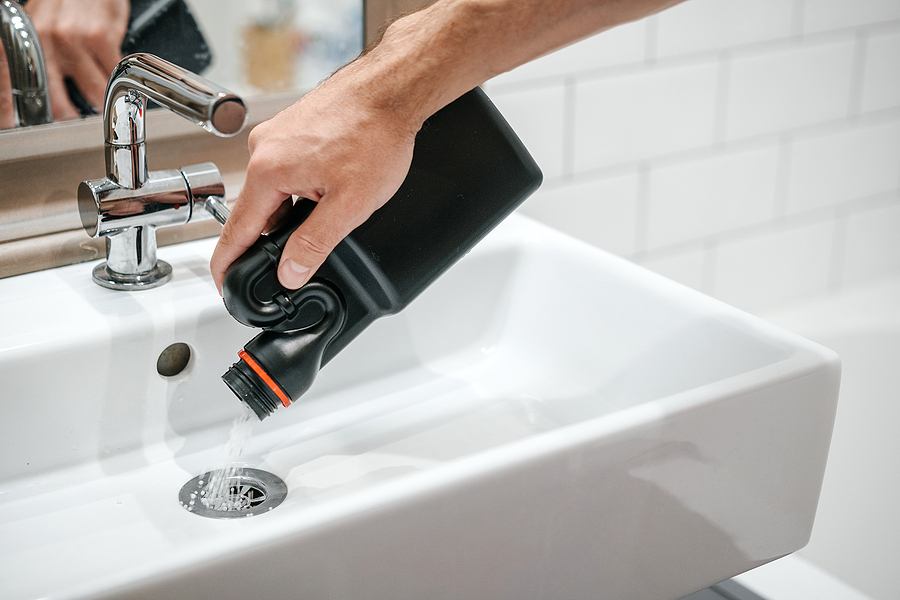
- Chemical Drain Cleaners: These are the most commonly used and include caustic, oxidizing, and acidic drain cleaners. Caustic cleaners contain substances like lye and caustic potash, which generate heat to dissolve grease and hair. Oxidizing cleaners use bleach, peroxides, and nitrates to break down organic material. Acidic cleaners, often containing sulfuric or hydrochloric acid, can be dangerous to handle.
- Enzymatic Drain Cleaners: These cleaners use natural enzymes and bacteria to break down organic material. They work more slowly but are safer for your pipes and the environment.
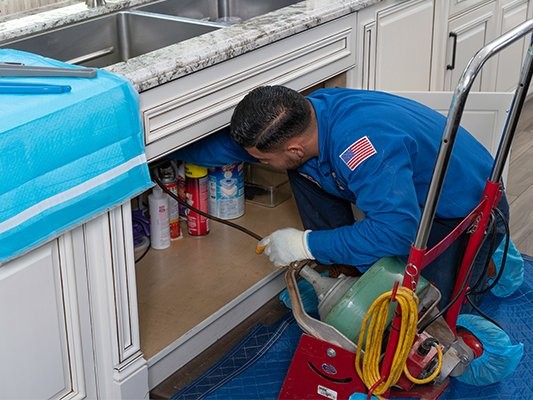
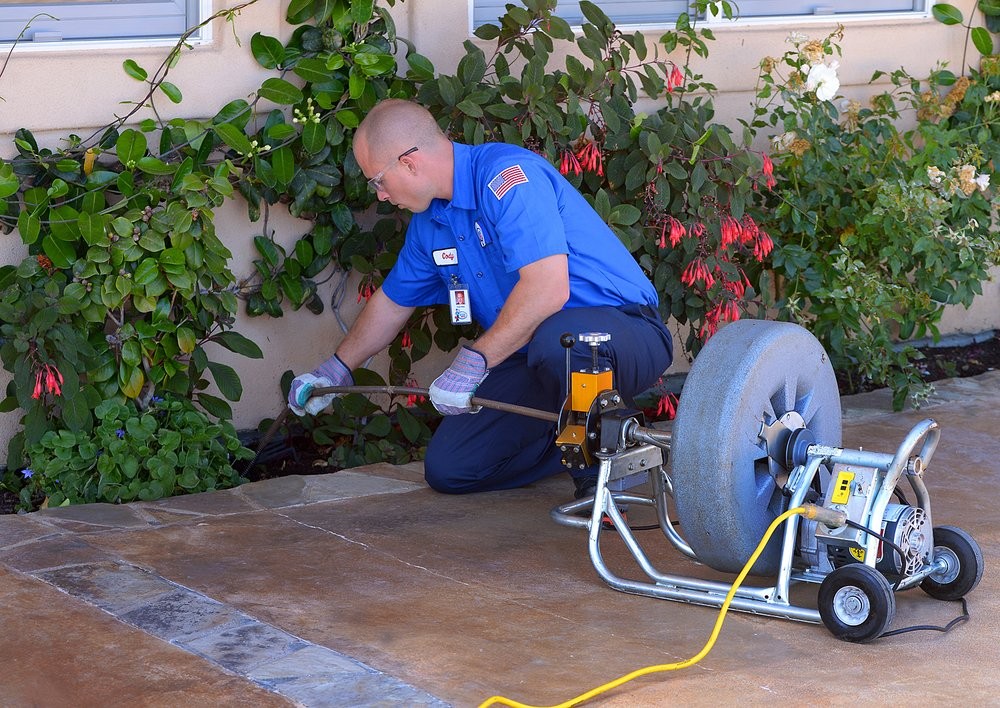
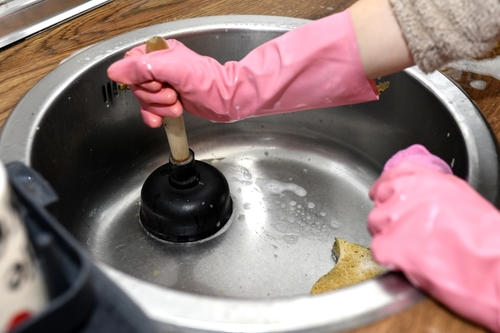
- Mechanical Cleaners: These include manual or motorized drain snakes and plungers, which physically remove blockages. While they don't dissolve hair, they can be very effective at dislodging and removing clogs.
- Home Remedies: Common household items like baking soda, plain vinegar, and hot water can be used as a makeshift drain cleaner.
The Impact of Drain Cleaners on Your Plumbing
While chemical drain cleaning products can be effective at dissolving hair and other organic materials, they come with a set of potential risks and downsides.
- Pipe Corrosion: Chemical cleaners generate heat and can corrode metal pipes over time. This is very problematic for older plumbing systems that may not be designed to withstand harsh chemicals. Plastic pipes are also susceptible to damage from chemical reactions.
- Health Risks: The chemicals used in many drain cleaners are hazardous and can cause burns, respiratory conditions, and other health issues if not handled properly. Always use protective gear and ensure proper ventilation when using these products.
- Environmental Concerns: Many chemical drain cleaners contain substances that are harmful to the environment. When they enter the water supply, they can pose risks to aquatic life and ecosystems.
Preventing Hair Clogs
Preventing clogs is always better than dealing with them after the fact. Here are some tips to help keep your drains clear of hair and other debris:
- Use Drain Covers: Installing a drain cover or hair catcher in your sinks and showers can trap hair before it enters the drain.
- Regular Maintenance: Periodically clean your drains with natural solutions like baking soda and vinegar. This can help break down minor clogs before they become larger.
- Brush Before Showering: If you have long hair, brushing it before you shower can reduce the amount of hair that ends up in the drain.
- Professional Inspections: Routine plumbing inspections can identify potential issues so you can avoid an urgent clogged drain line repair. A professional plumber can offer maintenance tips and services to keep your drains clear and working properly.
Can Drain Cleaner Damage Pipes?
Many homeowners reach for chemical drain cleaners as a quick solution for slow or clogged drains, but these products can sometimes do more harm than good. While they may temporarily dissolve hair, grease, or organic debris, the harsh chemicals inside many drain cleaners generate heat and chemical reactions that can gradually weaken plumbing materials. Repeated use can become especially problematic for older pipes or plumbing systems that already have wear and corrosion. Understanding how drain cleaners affect your plumbing can help you make safer decisions when dealing with stubborn clogs and recurring drainage issues.
Chemical drain cleaners may damage pipes in several different ways:
- Corroding metal pipes: Harsh chemicals can slowly eat away at older metal plumbing, increasing the risk of leaks and pipe failure over time.
- Weakening PVC pipes: Excessive heat produced during chemical reactions may soften or warp certain plastic pipe materials.
- Damaging pipe joints and seals: Frequent exposure to corrosive chemicals can deteriorate adhesives, seals, and connection points within the plumbing system.
- Worsening partial clogs: If the cleaner cannot fully dissolve the blockage, chemicals may sit inside the pipe longer and continue damaging the interior surface.
- Increasing risk in older plumbing systems: Aging pipes are often more vulnerable to cracking, corrosion, and chemical deterioration.
- Creating dangerous chemical reactions: Mixing different drain cleaners or combining them with other household products can release hazardous fumes or cause pipe damage.
While occasional use of a mild drain cleaner may not immediately harm your plumbing, relying on these products repeatedly can shorten the lifespan of your pipes. Safer alternatives such as professional drain cleaning, drain snaking, or hydro-jetting can remove stubborn clogs more effectively without exposing your plumbing system to unnecessary chemical stress.
How Often Should You Clean Your Drains?
Regular drain cleaning is one of the simplest ways to prevent stubborn clogs, unpleasant odors, and costly plumbing repairs. Over time, hair, soap scum, grease, food particles, and other debris naturally accumulate inside your pipes, gradually restricting water flow. While many homeowners only think about their drains once a blockage appears, routine maintenance can help keep your plumbing system working efficiently year-round. The ideal cleaning schedule depends on factors such as household size, drain usage, and whether you have pets, long hair, or older plumbing. Staying proactive with drain care can reduce the likelihood of emergency backups and extend the life of your pipes.
To help keep your drains clear and functioning properly, consider the following cleaning guidelines:
- Kitchen drains every month: Grease, food scraps, and soap residue build up quickly in kitchen sinks and should be flushed or cleaned regularly.
- Bathroom drains every 1–2 months: Hair and soap scum commonly collect in shower, tub, and sink drains, making periodic maintenance important.
- Drain covers cleaned weekly: Hair catchers and drain screens should be emptied often to prevent buildup from entering the pipes.
- Natural maintenance treatments monthly: Using baking soda and vinegar periodically can help reduce minor buildup and odors naturally.
- Professional drain cleaning annually: Scheduling a professional inspection and cleaning once a year can catch developing problems before they become severe.
- High-use households more frequently: Homes with large families, pets, or frequent cooking may require additional drain maintenance throughout the year.
Consistent drain cleaning helps prevent slow drainage, recurring clogs, and unnecessary strain on your plumbing system. By following a regular maintenance schedule and addressing small issues early, homeowners can avoid major drain problems and keep their plumbing operating smoothly for the long term.
Do You Need a Clogged Drain Line Repair or Professional Plumbing Service?
While chemical drain cleaners can dissolve hair and clear clogs, they come with risks to your pipes, health, and the environment. Safer alternatives like hydro-jetting can effectively manage hair clogs without the drawbacks of chemical products. If you’re struggling with stubborn clogs, Rooter Hero is here to help. Whether you’re looking for a routine drain cleaning service or need an emergency plumbing repair service, our team of professionals will make sure your system stays in top condition.
Contact us to schedule a plumbing service with a qualified plumber in your area.