

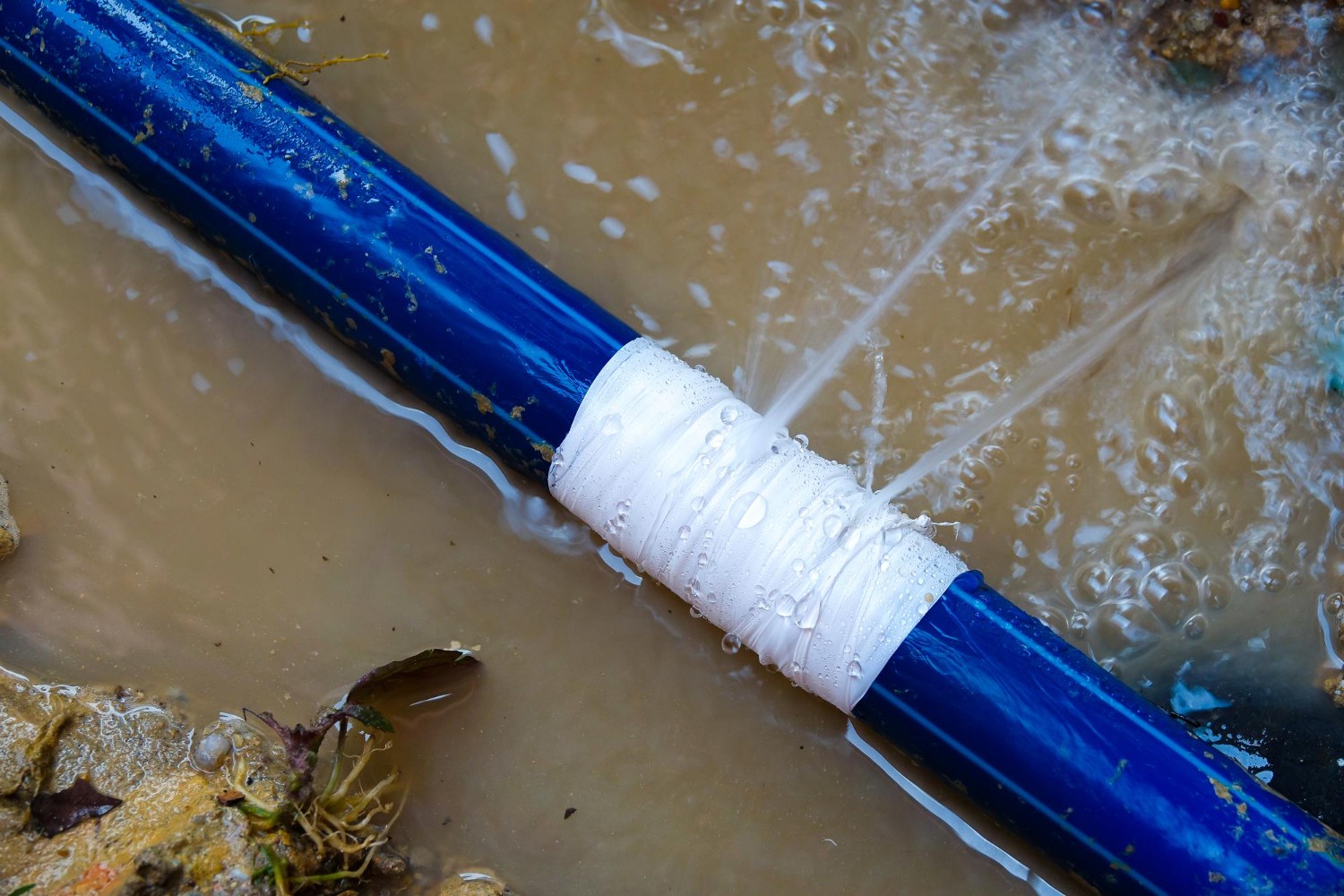
A slab leak is one of the most damaging plumbing problems a homeowner can face, and the most frustrating part is how quietly it begins. Long before water rises to the surface or visible damage appears, subtle clues hint that something is happening beneath your foundation. These signs often seem harmless at first—warm flooring, faint odors, or slight increases in your water bill—but together they paint a much more serious picture
Rooter Hero Plumbing & Air how overwhelming these symptoms can feel, especially when the cause isn’t immediately clear. This guide breaks down the seven early warning signs you shouldn’t ignore and offers straightforward guidance on what to do next.
If you need additional information or want to learn more about our professional slab leak services, contact us at (866) 941-8214.
What Exactly Is a Slab Leak?
A slab leak happens when a water line under the concrete foundation starts to leak. Homes built on slab foundations hide plumbing pipes beneath several inches of concrete, making these leaks harder to detect than those inside walls or ceilings. Even a small pinhole leak can release enough water to weaken the structure, damage flooring, and create conditions for mold to grow.
Several factors can lead to a slab leak, such as pipe corrosion, high water pressure, soil movement, and abrasion from pipes rubbing against concrete. In areas like Southern California, where soil shifting and ground movement are more common, small changes in pressure or temperature can accelerate wear on water lines. Because these leaks occur beneath the structure, you rarely see the source directly. Instead, you might notice subtle changes inside the home—signs that appear when you know what to look for.
Early Warning Sign #1: Hot or Cold Spots on the Floor
When a hot-water line leaks beneath a concrete slab, heat rises and warms the flooring above. You might notice an unusual warm spot under your feet, sometimes confined to a specific path or corner of a room. These temperature changes are not random; they follow the natural flow of heat through concrete and flooring materials. You might notice it most when walking barefoot down a hallway or stepping onto a tile floor first thing in the morning.
Hot spots are usually the most visible, but cold spots can also appear if a cold-water line leaks and the surrounding soil becomes saturated. Temperature anomalies are important because they show how energy moves through the slab and indicate water flow beneath the surface.
Because this symptom can be easy to misinterpret, it’s helpful to distinguish between normal floor temperature fluctuations and those signaling a more serious issue. Common causes include heated clothing left on the floor or sunlight that regularly warms a specific spot. If these explanations don’t fit, the temperature difference might indicate an active slab leak worth checking out.
Several indicators that these temperature changes are cause for concern include:
- Unusual warmth in areas far from heating vents
- Heat that persists regardless of the time of day
- New cold patches on concrete flooring
Early Warning Sign #2: Unexplained Water Bill Spikes
A slab leak can behave like a slowly running faucet—quiet, continuous, and very wasteful. Because leaks often go unnoticed, the first sign might appear on your utility bill. When water usage increases without any change in lifestyle or the addition of new appliances, the source should be investigated further.
Many homeowners in Northern California and Arizona monitor seasonal water usage, noticing predictable increases during hotter months. A slab leak disrupts that pattern. A steady upward trend or a sudden spike should prompt a simple at-home test.
For example, turn off all faucets and appliances, then check the water meter. If the meter keeps moving, water is leaking somewhere in the system. This test does not confirm a slab leak, but it helps narrow down the problem and determine whether professional diagnostics are needed.
Several water bill behaviors often point toward hidden leaks:
- Higher monthly usage without explanation
- Irregular spikes in colder months
- A steady increase across several billing cycles
Early Warning Sign #3: Mysterious Mildew or Musty Smells
Moisture from a slab leak doesn’t always appear as visible water. Instead, it often rises through microscopic pores in concrete and flooring materials. As moisture rises, it carries a distinct musty or earthy smell—one commonly linked to damp basements or water-damaged wood.
These odors often occur in low-ventilation areas, such as closets, under cabinets, or along baseboards. Since the slab lies directly beneath the flooring materials, even a minor leak can soak the underside of carpet, pad, laminate, or hardwood long before surface moisture shows up.
A subtle smell might seem minor, but early odor detection is often one of the most dependable signs that something is occurring beneath the slab. Mold thrives in hidden moisture, and consistent humidity under floors creates an ideal environment for spores to spread.
Watch for these odor-related indicators:
- Musty smells concentrated in a single room
- Odors that intensify with humidity
- Smells near walls or closets
Early Warning Sign #4: The Sound Test—Hearing Water Running When Fixtures Are Off
One of the easiest ways to identify a slab leak needs no tools—just a quiet house. When all faucets, appliances, and fixtures are turned off, you shouldn’t hear sounds of running or moving water. However, slab leaks continue to flow even when everything is shut off.
These sounds differ. Some homeowners describe a faint hissing, while others hear a gentle trickle or low whooshing. The key is consistency. A leak under the slab runs continuously, so any sound that repeats or persists deserves attention.
Check several areas for clarity. Laundry rooms, hallways near bathrooms, or spots near water heaters often give clear acoustic clues because pipes run beneath them. If the home sits on a concrete slab, these noises can resonate, making the sound seem louder or more direct.
Listen for the following auditory signals:
- A soft, continuous hissing
- A faint trickle behind walls or beneath flooring
- Rhythmic water flow even when no fixtures are in use
Early Warning Sign #5: Cracks in Walls, Flooring, or the Foundation
Water leaking beneath a slab slowly erodes the soil supporting the foundation. As the ground softens, the slab may settle unevenly. Even minor shifts can cause visible structural issues, such as cracks in walls, raised flooring, or gaps between baseboards and walls.
Cracks caused by slab leaks differ from normal, harmless settling. They tend to appear suddenly, expand, or occur in clusters rather than as isolated lines. Tile floors may lift or separate, hardwood might warp or cup, and vinyl flooring may bubble as moisture rises.
Because structural changes often develop gradually, homeowners might ignore early cracks as merely cosmetic issues. In reality, when combined with other signs, these cracks are crucial indicators of moisture-related expansion or soil shifting beneath the house.
Look for cracks that fit these patterns:
- Cracks wider at one end than the other
- New cracks forming in multiple rooms
- Flooring transitions lifting or warping
Early Warning Sign #6: Unexplained Damp or Wet Spots
Damp flooring is one of the most recognizable signs of a slab leak, but it often appears much later than other indicators. By the time moisture surfaces, the leak has usually advanced considerably. Still, even small damp spots warrant attention, especially if they occur without a clear cause.
Water can surface far from the actual leak because it follows the path of least resistance. This characteristic means a spot in the living room could be caused by a leak near the bathroom or kitchen. Materials like carpet and wood wick moisture outward, making the affected area seem larger than the actual source.
Pay attention to patterns such as:
- Damp carpet or rugs that return after drying
- Moisture at the edges of flooring
- Dark spots on concrete garage floors
Early Warning Sign #7: Low Water Pressure Throughout the Home
Slab leaks reduce the amount of water reaching fixtures because some of the supply water escapes underground. Pressure loss can occur suddenly or gradually, depending on the severity and location of the leak. If multiple fixtures in the home start to have weak flow at the same time, the problem often goes beyond a clogged aerator or failing appliance.
Low pressure may be most noticeable during showers, dishwasher cycles, or irrigation use. Because a slab leak disrupts the entire pressure system, the loss is usually widespread rather than limited to a single faucet.
Indicators that pressure issues may be linked to a slab leak include:
- Pressure loss in multiple rooms
- Fluctuating pressure unrelated to municipal changes
- Weak flow that improves temporarily
Why Early Detection Protects Your Home and Your Budget
Slab leaks seldom resolve on their own. Instead, the damage gradually worsens. Acting quickly helps prevent long-term structural problems, mold growth, and costly foundation repairs. Early detection also cuts water waste and reduces the need for extensive demolition, making repairs faster and more cost-effective.
Professional diagnostics utilize advanced tools that precisely identify leaks without causing unnecessary disruption. You gain clarity and confidence when the problem is accurately located, options are clearly explained, and repairs are performed with care. Taking early action provides peace of mind and helps maintain your home's long-term health.
What to Do if You Suspect a Slab Leak
If you notice any of the signs described above, simple steps can help protect your property while you wait for professional help. Start by turning off the main water supply if you suspect active flooding or hear continuous water flow. Avoid attempting DIY excavation or foundation drilling, as these actions can cause severe damage.
Record symptoms with photos or notes. This information helps technicians spot patterns and select the most appropriate testing methods. Modern slab leak detection uses acoustic tools, thermal imaging, and moisture mapping to find the leak without unnecessary demolition.
Consider these steps if you suspect a slab leak:
- Shut off the water supply if you see or hear active water movement
- Photograph unusual spots, cracks, or floor temperature changes
- Avoid disturbing flooring or foundation materials
Why Homeowners Trust Professional Slab Leak Detection and Repair
Modern slab leak repair uses non-invasive tools to locate leaks beneath the foundation accurately. Skilled technicians utilize advanced techniques such as video inspections, pressure testing, and thermal imaging to identify issues without damaging floors or walls. Homeowners receive clear explanations, upfront options, and dependable repair methods that safeguard the home's structure.
Many homeowners value services that combine technical skill with respectful care. Clean, courteous technicians who arrive prepared, communicate clearly, and respect the home environment create a positive experience during a stressful time. Thorough diagnostics provide reliable answers, and the proper repair method contributes to long-term stability.
Schedule a Slab Leak Inspection
The earliest signs of a slab leak may seem minor, but ignoring them can result in costly repairs and long-term structural damage. Early detection safeguards your home, prevents widespread moisture issues, and allows you to take control before the problem worsens. Rooter Hero Plumbing & Air is prepared to help you identify and repair slab leaks promptly so that you can restore comfort and safety in your home with confidence.
Call (866) 941-8214 or contact us online to schedule an appointment.

.jpg.2602061424199.webp)
.2512171224134.jpg)