A sudden drop in shower pressure can throw off your entire routine. One day, everything feels normal, and the next, you’re rinsing soap under a thin trickle of water. While this change can be frustrating, the cause is usually identifiable—and in many cases, something you can troubleshoot on your own. When the issue runs deeper, the right plumbing team can help you pinpoint the problem and protect your home’s water system. Rooter Hero Plumbing & Air offers clear, homeowner-friendly guidance so you can feel confident taking the next step.
If you’re unsure whether your situation calls for a simple adjustment or a professional repair, use the causes below to narrow down your options.
1. Mineral Buildup Inside the Showerhead
Much of California, Arizona, and Nevada experiences hard water, which carries higher concentrations of calcium and magnesium. These minerals collect in and around your showerhead’s spray nozzles. When enough buildup forms, your water flow becomes restricted, and you may notice weaker pressure or uneven streams.
Fortunately, this issue is one of the easiest to fix. After turning off the water, try the following:
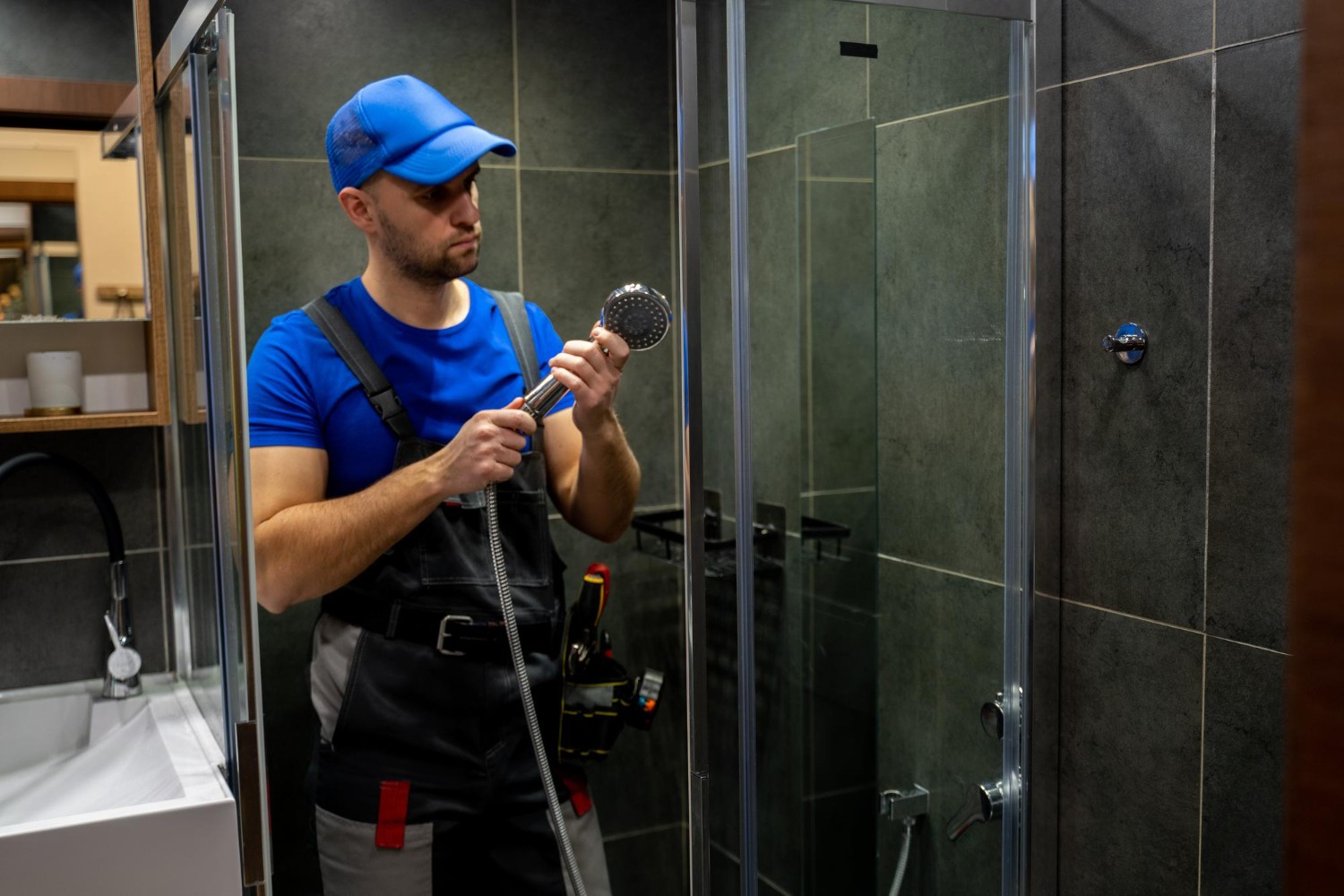
- Remove the showerhead – Twist it off gently and inspect for visible white or chalky deposits.
- Soak it in vinegar – Vinegar helps dissolve mineral buildup naturally. Submerge the showerhead for several hours or overnight.
- Clean the rubber nozzles – Use a soft brush or cloth to loosen and remove stubborn debris from the spray openings.
After reattaching the showerhead, you should see an improvement. However, if mineral buildup returns quickly, scale may form deeper in the plumbing system, requiring professional attention.
2. Sediment or Debris Caught in the Aerator or Internal Screen
Some shower fixtures include small screens, restrictors, or aerator-style components inside the connection point. These parts help regulate water flow, but they can become clogged when sediment moves through your plumbing. These issues sometimes happen after nearby construction or municipal line maintenance.
If you suspect this is the issue, you can often clear the blockage yourself:
- Disassemble the shower connection – The internal screen or restrictor is usually accessible once the fixture is removed.
- Rinse or soak the component – Run it under water or soak it in vinegar to remove sediment buildup.
- Flush the line briefly – With the showerhead removed, turn the water on for a few seconds to wash out remaining particles.
If sediment reappears soon after cleaning, it may indicate corrosion or interior pipe scaling—conditions that benefit from a licensed plumber’s inspection.
3. A Partially Closed or Faulty Valve
Your shower’s water supply depends on several valves working together. Some are accessible and easy to check, while others are hidden within the wall and require specialized tools. A sudden pressure drop can occur when a valve is only partially open or when an internal component begins to wear.
Check Accessible Shutoff Valves First
Some homes have small shutoff valves located in access panels or under nearby fixtures. If anyone recently performed maintenance or repairs, these valves may have been left partially closed.
- Make sure the valves are turned fully open.
- Check for signs of corrosion, leaks, or stiff movement.
When the Cartridge or Valve Assembly Fails
Inside your shower handle sits a cartridge or pressure-balancing valve that regulates temperature and flow. When it deteriorates, pressure may fluctuate or drop dramatically. You might also have trouble turning the handle or maintaining a consistent temperature.
Because these valves require precise handling, specialized tools, and careful installation, repairs are best handled by a trained plumbing professional who can replace the component without causing additional damage.
4. A Leak Somewhere in the Plumbing System
Pressure loss can also come from a leak diverting water away from your shower. Some leaks are easy to spot, while others remain hidden behind walls or ceilings. Even a small leak can impact your shower pressure and should be addressed promptly to avoid structural or moisture-related issues.
Common warning signs include:
- Damp drywall – Soft spots or bubbling paint may indicate a leak in a nearby line.
- Water stains on ceilings – If the bathroom is upstairs, leaks can show up below.
- Higher water bills – An unexplained increase in usage, along with pressure loss, may indicate a break in the system.
Because leaks can worsen quickly and affect more than just water pressure, a professional inspection can help determine where the problem originates and what repair is needed.
5. Main Water Line or Pressure Regulator Problems
If multiple fixtures in your home experience low pressure—not just the shower—the issue may lie with your main water line or your home’s pressure regulator. These components influence water flow throughout the entire property.
Signs the main system may be to blame include:
- Multiple fixtures losing pressure – This is a strong indicator that the problem goes beyond one shower.
- A sudden drop after municipal work – Changes to the neighborhood’s water supply lines can temporarily affect your home’s pressure.
- Pressure fluctuations – If water pressure surges or dips inconsistently, your regulator may be wearing out.
A pressure regulator requires careful calibration, and a main line obstruction or break should be continuously assessed by a professional. These system-wide issues involve factors that can’t be safely resolved through DIY methods.
How to Tell When It’s Time to Call a Professional
While many pressure problems have simple solutions, others require prompt evaluation by a licensed plumber.
Consider reaching out for help if:
- Mineral buildup returns quickly after cleaning
- More than one fixture has low pressure
- You notice signs of leaks or water damage
- The shower valve or cartridge is difficult to turn or seems deteriorated
- Pressure dropped suddenly after construction or utility work in the area
When something feels off—or when DIY steps don’t resolve the issue—trust your instincts. A trained professional can help you understand what’s happening and prevent more complex problems from developing.
Restore Steady Shower Pressure with a Helpful Team Behind You
Regaining strong, consistent shower pressure starts with identifying the source of the problem. Some causes are simple to fix on your own, while others call for a skilled evaluation to protect your home’s plumbing system. If you’re noticing low water pressure throughout your home or suspect a deeper issue, our friendly, knowledgeable team at Rooter Hero Plumbing & Air can help you find a solution.
Contact us at (866) 941-8214 for guidance or to schedule service when you’re ready.

.jpg.2602061424199.webp)