
When the weather finally starts warming up, many homeowners turn on their air conditioner for the first time since fall and assume everything’s fine if cool air comes out. But for systems that have been sitting idle all winter, the first spring run is often when hidden issues surface. Testing your AC early gives you time to spot problems, make informed decisions, and avoid a breakdown on the first triple-digit day.
For homeowners across the West, early spring is the calm before the summer heat surge. Running your system in March can reveal warning signs long before your comfort is at stake. Teams like Rooter Hero Plumbing & Air often see preventable issues escalate because they weren’t caught early enough.
Why the First Spring Run Matters More Than You Think
Your AC doesn’t ease back into work after winter. It jumps straight into action. Months of inactivity allow wear, debris, and minor mechanical issues to go unnoticed. When warmer temperatures arrive, the system suddenly has to start, run, and cool under real-world demand.
That first spring test serves as a diagnostic window. Mild temperatures make it easier to spot irregular behavior without pushing the system to its limits. Catching issues now means you’re not scrambling for solutions when outdoor temperatures spike and service schedules fill up.
The Short-Cycle Warning: When Your AC Can’t Settle In
One of the most common issues that arise during the first spring run is short-cycling. This occurs when your AC turns on and off repeatedly instead of completing a full cooling cycle. While it might seem minor at first, short-cycling wastes energy and puts unnecessary strain on critical components, such as the compressor.
Short-cycling often points to an underlying issue, such as:
- Dirty air filter – Restricted airflow can cause the system to shut down prematurely.
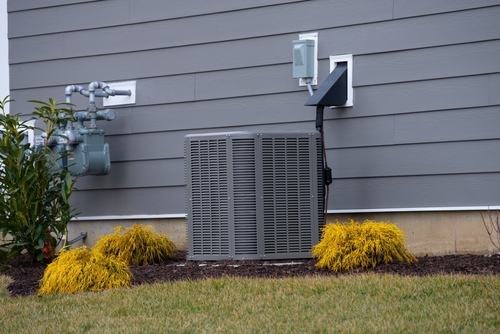
- Blocked outdoor unit – Leaves and debris limit proper heat release.
- Low refrigerant levels – Prevent the system from maintaining consistent cooling.
- Oversized system – Cools too quickly without running long enough to regulate temperature properly.
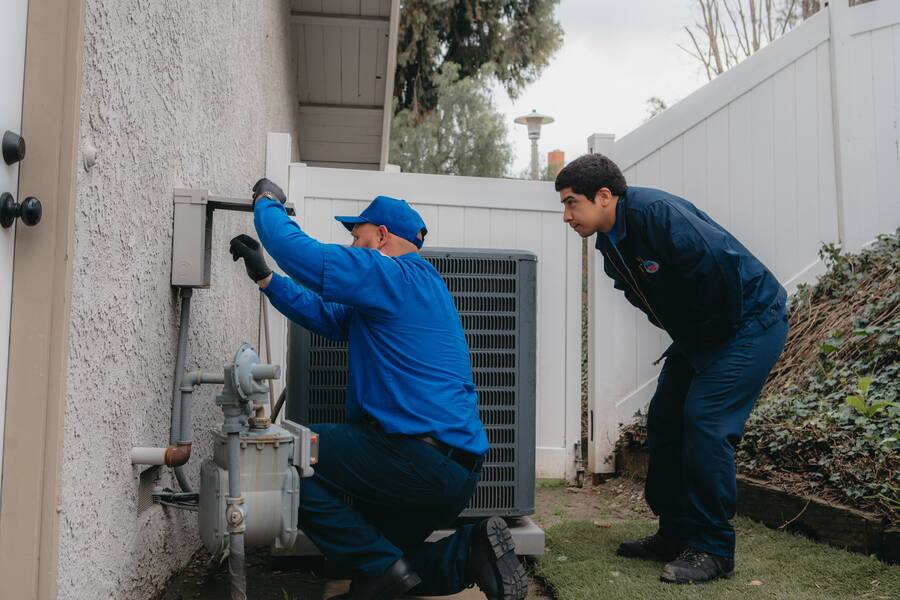
Homeowners can start by changing the air filter and clearing visible debris around the outdoor unit. If short-cycling persists, it’s a sign the system needs professional evaluation before long-term damage occurs.
Capacitor Failure: Why the First Hot Day Is a Breaking Point
Another issue that frequently arises during early-season testing is capacitor failure. The capacitor stores and releases energy to help your AC motors start and run. Chemical wear naturally reduces its ability to hold a charge.
When a unit sits unused all winter, degradation continues quietly. The problem often surfaces when the system is suddenly asked to start under higher demand. The first hot day puts extra stress on a weakened capacitor, increasing the risk of overheating or failure.
Common symptoms include:
- Delayed startup
- Clicking noises
- Intermittent operation
- A system that won’t turn on at all
Early testing helps identify these electrical weaknesses before extreme heat turns a small component failure into a full comfort disruption.
Why Early March Tune-Ups Beat the Summer Rush
Summer is peak season for AC service. As temperatures rise, appointment availability tightens and decision-making becomes more urgent. Testing and servicing your system in early March gives you more time to plan.
Early AC tune-ups allow you to address concerns without pressure, explore maintenance options, and schedule repairs at a comfortable pace. Preventive attention also reduces the likelihood of unexpected interruptions when cooling matters most.
What to Watch for When You Test Your AC This Spring
When you run your AC for the first time this season, pay attention to how it behaves—not just whether it turns on.
Look for signs such as:
- Rapid on-and-off cycling – Often linked to airflow or sizing issues.
- Weak or uneven airflow – May indicate blockages or mechanical concerns.
- Delayed startup or unusual sounds – Common early indicators of electrical component wear.
- Struggling during mild heat – A warning sign before extreme temperatures arrive.
Noting these patterns early helps technicians diagnose issues more accurately and prevents small problems from escalating into larger ones later in the season.
A Smarter Way to Head into Summer
Testing your AC in March isn’t about expecting problems—it’s about staying in control. Early spring gives homeowners time, clarity, and choice. Instead of reacting to breakdowns during a heat wave, you can head into summer confident that your system is ready for the demand ahead.
If something doesn’t seem right during your first test run, scheduling a professional check can provide peace of mind. Rooter Hero Plumbing & Air supports homeowners with clear guidance, upfront options, and preventive care to keep comfort consistent when it matters most.
Call (866) 941-8214 or contact us online to schedule an appointment.