
Glossary of HVAC Terms
It's a hot summer day, you're sweating, and your AC seems to be on vacation. Understanding a little more about how your air conditioning works can help you avoid panic and find your way to the right solutions. At Rooter Hero, we offer quality services for local homeowners and businesses, including air conditioning repair, furnace repair, and heating replacement. Are you looking for answers to your questions but are feeling overwhelmed and confused by all the strange acronyms? Keep reading for translations of the lingo most commonly used by an HVAC company.
SEER Explained
SEER, or Seasonal Energy Efficiency Ratio, tells you how effectively your air conditioner uses electricity to cool your home. The higher the SEER rating, the less electricity it uses, and the happier your wallet will be with lower energy bills. Think of it as getting more cooling power for less money.
Understanding MERV Ratings
MERV is an acronym for Minimum Efficiency Reporting Value; while that might sound like a mouthful, it's actually quite simple. This rating measures how well your air filter can catch tiny invaders like dust, pollen, and other particles. MERV ratings range from 1 to 20. The higher the number, the smaller the particles it can trap. Choosing the right MERV rating for your home means balancing air quality with your HVAC system's ability to push air through the filter.
Unpacking BTUs
BTU, or British Thermal Unit, is the measure of how much heat your air conditioner can remove from your home within an hour. You could think of BTUs as the horsepower of your AC unit. Just as a car with more horsepower can go faster, an AC with more BTUs can cool a larger space more quickly. However, more isn't always better. An overpowered AC can lead to inefficiencies, much like driving a high-powered sports car in a crowded city.
What Does CFM Mean?
CFM stands for cubic feet per minute, and it measures the volume of air your HVAC system can move. It's critical for comfort to ensure that cool air is distributed evenly throughout your space. Too little CF and your rooms might have hot spots; too much, and you might feel like you're living in a wind tunnel.
ACH Simplified
ACH, or Air Changes per Hour, measures how many times the air in a room is replaced with fresh air in an hour. This is very important for maintaining indoor air quality and ensuring your space feels fresh, not stuffy.
Split System Advantages
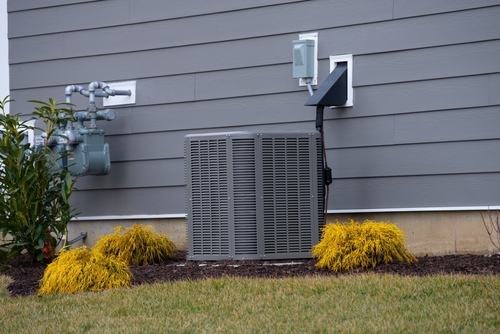
A split system air conditioner has two main parts: one inside your home and one outside. This duo works together to keep you cool. The outdoor unit expels heat from your home, while the indoor unit blows cool air in. It's a popular choice because it's efficient, effective, and can be less invasive to install than other systems.
Facts About Freon
Freon is a refrigerant that can be used in air conditioning systems to cool the air. However, due to environmental concerns, the use of certain types of Freon is being phased out. So it’s important to find more sustainable and less harmful ways to keep cool.
Are You Searching for an Experienced Local HVAC Company?
Now that you understand the language, you're better prepared to make informed decisions about your property's cooling needs. At Rooter Hero, we believe in making the complex simple. We're committed to providing you with top-tier HVAC services as well as the information you need to understand what we do. Contact our office to learn more or to schedule a time for a furnace repair, heating replacement or air conditioning repair service.