

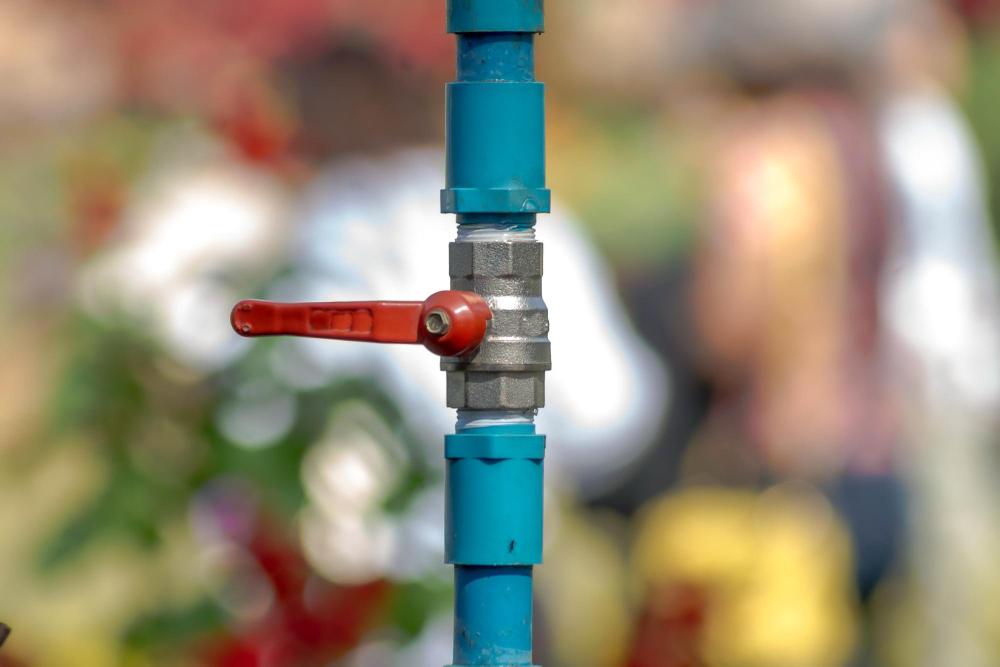
What is an Earthquake Shut-off Valve?
In regions prone to seismic activity, such as California, protecting buildings and occupants against the potential hazards of earthquakes is a top priority. Among the essential safety measures mandated for structures in high-risk seismic zones are earthquake gas shut-off valves.
These valves play a crucial role in mitigating risks associated with gas leaks during seismic events, and they contribute significantly to overall safety and disaster resilience. In this article brought to you by Rooter Hero, we explore the significance of earthquake gas shut-off valves, their functionality, and why they are required in both new construction and existing buildings in high-risk seismic zones.
If you ever need a uniformed plumber to investigate your gas line or plumbing system, you can call the time-tested professionals at Rooter Hero. We offer regular plumbing service as well as emergency plumbing and gas line repair.
Understanding Earthquake Gas Shut-off Valves
Earthquake gas shut-off valves, also known as seismic gas shut-off valves or earthquake valves, are automatic safety devices designed to shut off the flow of natural gas to a building in response to seismic activity. They are typically installed at the point where the gas service line enters the building, providing a lifesaving layer of protection against gas leaks and potential hazards during earthquakes.
How They Work
The operation of earthquake gas shut-off valves is triggered by the shaking or movement associated with an earthquake. When seismic sensors detect significant ground motion, the valve automatically cuts off the supply of gas to the building. This rapid response helps prevent gas leaks that could lead to fires, explosions, or other dangerous situations.
Why Are They Required?
The mandate for earthquake gas shut-off valves stems from the inherent risks posed by gas leaks during seismic events. Gas leaks can occur when gas pipes or fittings become damaged, loosened, or disconnected due to the ground movement caused by earthquakes. These leaks not only pose a direct fire and explosion risk but also contribute to air pollution and environmental damage.
For new construction projects in high-risk seismic zones, the earthquake gas shut-off valve installation is mandated by building codes and regulations. This requirement is a proactive measure to enhance the safety and resilience of new buildings.
In existing buildings located in high-risk seismic zones, retrofitting earthquake gas shut-off valves may also be required or recommended. Retrofitting existing buildings with these valves is an important step in upgrading their safety systems and reducing the risk of gas-related incidents during earthquakes.
Benefits of Earthquake Gas Shut-off Valves
The benefits of earthquake gas shut-off valves extends beyond enhanced safety. In addition to protecting life, minimizing the risk of gas-related damage helps protect buildings, equipment, and valuable assets from costly repairs or replacements.
Preventing gas leaks also reduces air pollution and environmental contamination, contributing to sustainable practices and community well-being. These are just some reasons why earthquake shut-off valves are mandatory. Meeting the mandated requirements for earthquake gas shut-off valves ensures compliance with building codes and regulations.
Consult with a Trained Plumber
The plumbers at Rooter Hero are trained and experienced to work on residential as well as commercial plumbing systems and gas lines. Whether you have questions or concerns or want to hire a uniformed plumber, the professionals at Rooter Hero are here to take your call or message today.

.jpg.2602061424199.webp)
.2512171224134.jpg)