

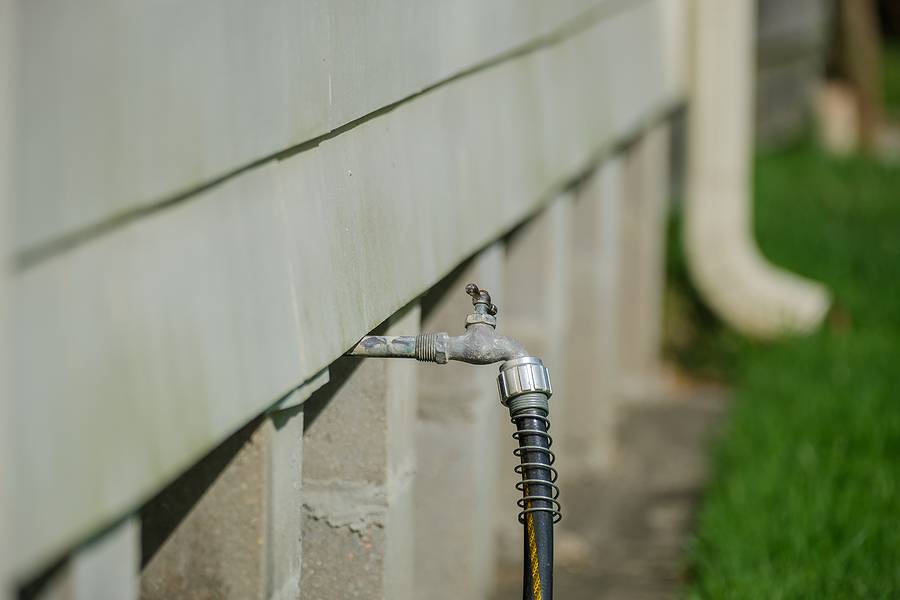
Reasons Your Outside Spigots May Leak
We often overlook outdoor spigots compared to indoor plumbing fixtures. However, these spigots can develop leaks for various reasons, leading to significant water waste and damage. Even a drip that seems insignificant can send gallons of water down the drain each day and drive up your water bills.
If you’re among the many homeowners who rarely pay attention to their outside spigots, it’s time to give them a closer look. You’ll save money and prevent costly damage when you catch sneaky outdoor plumbing leaks in their tracks.
Here at Rooter Hero, we are proud to be the go-to plumbing company for water leak detection and repair. If you need help with locating and fixing leaks in your property, we are the plumbing service to call. Let’s look at the common culprits behind leaking outdoor spigots.
Wear and Tear
One of the most common reasons for leaking outside spigots is normal wear and tear. While these fixtures are built to withstand years of use, they don’t last forever. Constant exposure to varying weather conditions, from freezing temperatures to scorching heat, can cause the faucet's internal components to degrade over time. Rubber seals, washers, and other parts may harden, crack, or become brittle. If your outdoor spigots have seen better days, consider replacing them altogether.
Loose Packing Nut
The packing nut is the component that seals the faucet handle. If it loosens due to vibration or excessive tightening, water can seep through the gap. The solution is to tighten the packing nut using a pair of pliers.
Cracked Spigot Body
While outside spigots are designed to withstand the elements, they are not immune to damage. Prolonged exposure to extreme temperature fluctuations can cause the faucet body to crack. Older and outdated spigots are more likely to suffer damage, especially during winter. In addition, physical impacts, such as lawnmowers or garden tools, can damage the spigot.
A cracked spigot is fairly easy to replace if you have basic plumbing knowledge. Use a wrench to carefully unscrew the spigot from the pipe or wall fitting. Next, apply plumber’s tape around the threads of the pipe and screw the new spigot onto the pipe by hand. Tighten the spigot with a wrench and turn the water supply on to see if it’s working properly. If you encounter any difficulties or are unsure about the process, it's best to consult with a professional plumber.
Loose Connections
In some cases, the connections between the faucet and the water supply line can loosen over time due to vibrations or normal wear and tear. This can result in leaks at the base of the faucet. All you need to do is grab an adjustable wrench and tighten the connections. If the leak doesn’t stop, you might want to seek professional help from a reputable plumbing repair service.
High Water Pressure
High water pressure is not only damaging to water pipes, but it can also compromise the functionality of outside spigots. You can use a pressure gauge to measure the water pressure and determine if it’s too high. The ideal residential water pressure ranges from 40 to 80 PSI. Anything over 80 PSI could put stress on your outside spigots and cause leaks. The solution is to have a licensed plumbing repair service install a pressure regulator at the main water line or the branch line that supplies water to the outdoor spigots.
Reach Out To Rooter Hero for Water Leak Repair
Is your outside spigot leaking and you can’t figure out how to fix it? Call Rooter Hero for help. Our qualified plumbers have fixed this problem countless times. We can diagnose the problem and provide you with a reliable solution.

.jpg.2602061424199.webp)
.2512171224134.jpg)