

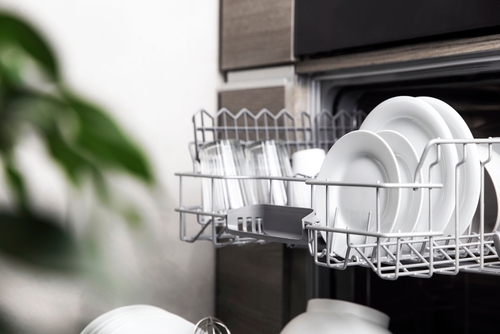
A clogged dishwasher can feel like a major appliance failure—standing water, cloudy dishes, or even dirty water backing up into the tub. Before assuming the dishwasher itself is the problem, it’s worth taking a closer look at what’s happening under your sink. In many homes, the real issue starts with the garbage disposal and the shared drain system.
Homeowners often ask why a dishwasher clog keeps coming back, even after basic cleaning. The answer usually lies in how these two appliances are connected.
When a Dishwasher Problem Isn’t Really a Dishwasher Problem
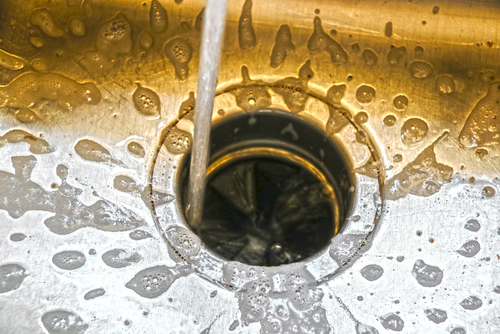
Most modern dishwashers don’t drain directly into the main plumbing line. Instead, they rely on the garbage disposal to carry wastewater away. That means a clog in the disposal or drain line can show up first in the dishwasher, even if the dishwasher itself is working as it should. Food scraps, grease, and soap residue can build up slowly, narrowing the drain path until water has nowhere to go.
How Your Dishwasher and Garbage Disposal Are Connected
The dishwasher and garbage disposal are part of the same drainage system. When the dishwasher empties, that water flows through a hose connected to the disposal before heading down the drain.
That connection matters because:
- A partial clog in the disposal can slow drainage from the dishwasher
- Backups tend to travel “upstream,” pushing water back toward the dishwasher
- Symptoms often appear in the dishwasher before the sink shows signs of trouble
Because the dishwasher sits higher than the disposal, it becomes the first place homeowners notice a problem when drainage is restricted.
The Air Gap Connection: Why Water Backs Up into the Dishwasher
Many homes also have an air gap, which is a small cylinder mounted near the sink or countertop. While it’s easy to overlook, this component plays an important role in protecting your dishwasher.
An air gap creates a physical separation between the dishwasher and the drain system. Wastewater from the dishwasher flows up to the air gap, drops through open air, and then continues down into the garbage disposal. This design helps prevent contaminated water from flowing backward into the dishwasher.
When everything is working properly, you never notice the air gap. When a clog’s present, the signs become obvious:
- A clogged air gap forces water to spill out of the vent
- A blocked disposal drain prevents water from moving forward
- Water may back up into the dishwasher instead
If you’re seeing water come out of the air gap or pooling in the dishwasher, it usually indicates the system needs cleaning—not that the dishwasher has failed.
The Knockout Plug Mistake Many DIY Installations Miss
Another common cause of dishwasher flooding happens during garbage disposal replacement. New disposals come with a small plastic or metal stopper called a knockout plug inside the dishwasher inlet port. This plug blocks water from entering the disposal unless it’s intentionally removed.
If a dishwasher is connected and the knockout plug is left in place, wastewater has nowhere to go. The result can be sudden backups or an overflowing dishwasher during the first wash cycle.
This issue often shows up when:
- A homeowner installs a new garbage disposal themselves
- A disposal is replaced without reconnecting the dishwasher properly
- The dishwasher worked fine before the disposal was changed
It’s an easy detail to miss and one that can cause confusing symptoms until it’s corrected.
The “Synergetic” Clean: How to Clean Both Appliances Together
Because the dishwasher and garbage disposal share a drain path, cleaning just one appliance may not fully solve odors or slow drainage. A coordinated cleaning routine can help reduce buildup and keep everything moving smoothly.
A simple approach includes:
- Dishwasher vinegar cycle – Run an empty dishwasher on the hottest cycle with a bowl of white vinegar on the top rack to loosen grease and soap residue
- Disposal baking soda and vinegar fizz – Pour baking soda into the disposal, followed by vinegar, to help break down residue
- Hot water flush – Run hot water for a minute to clear loosened debris
- Citrus peels – Grind citrus peels to help neutralize lingering odors
This back-to-back method addresses buildup in both appliances and can help prevent smells from returning.
When Cleaning Isn’t Enough, and It’s Time to Call a Plumber
Routine cleaning can help with minor buildup, but it won’t resolve deeper blockages in the drain line. If you notice frequent backups, water repeatedly coming out of the air gap, or slow drainage that doesn’t improve, the issue may be farther down the system. Professional drain cleaning can safely remove hidden buildup and restore proper flow without guesswork.
Stop the Backups Before They Start
A clogged dishwasher is often a sign of a bigger drainage issue rather than a broken appliance. Understanding how the garbage disposal, air gap, and dishwasher work together can help you catch problems early and avoid repeat backups.
If you’re dealing with ongoing drainage issues or want a professional inspection, Rooter Hero Plumbing & Air is available to help you understand your options and keep kitchen plumbing running smoothly. Contact us at (866) 941-8214.

.jpg.2602061424199.webp)
.2512171224134.jpg)