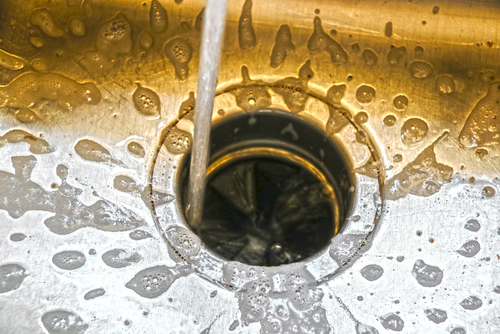
Hard water is a fact of life for many homeowners in Arizona and Nevada. You may already see it on faucets, showerheads, or glassware, but what’s happening out of sight can be just as important. One appliance that often takes a quiet hit from mineral-rich water is the garbage disposal.
At Rooter Hero Plumbing & Air, homeowners often ask why their disposal seems to lose power, drain slowly, or develop lingering odors, even when they’re careful about what goes down the sink. In many desert homes, hard water minerals are a major part of the answer.
Why Hard Water Is So Tough on Garbage Disposals
Hard water contains elevated levels of minerals such as calcium and magnesium. When that water flows through your plumbing, those minerals don’t simply disappear. They cling to metal surfaces, pipes, and moving components—especially in areas that remain wet or are frequently used.
Garbage disposals are particularly vulnerable because they combine moisture, food particles, soap residue, and motion in a confined space. Each time the disposal runs, minerals have another opportunity to settle, harden, and build up layer upon layer. In Arizona and Nevada, where hard water is common, this process often occurs faster than homeowners expect.
Calcification on Blades and Inside the Grinding Chamber
One of the most overlooked effects of hard water is its impact on the disposal’s blades and grinding chamber. These components are designed to break down food, not mineral deposits.
Hard water can cause several issues inside the unit:
- Blade dulling from minerals – Calcium buildup can coat and blunt blades faster than food waste alone, reducing grinding efficiency.
- Soap scum and mineral film – A sticky layer forms along the grinding chamber walls, limiting movement and performance.
- Food and grease trapping – Mineral residue acts like a net, catching food particles and grease instead of allowing them to flush through.
As the buildup increases, food doesn’t break down as cleanly. Small particles linger, odors develop, and the disposal must work harder to do the same job it once handled easily. This added strain can shorten the unit’s lifespan, especially in hard-water environments.
Scale Buildup in the P-Trap and Slow Draining Sinks
If your disposal sounds like it’s running normally but the sink drains slowly, hard water may still be the culprit. The issue often lies beyond the disposal.
The P-trap—the curved section of pipe beneath the sink—is designed to hold water and prevent sewer gases from entering the home. Because water sits in the trap, it’s also a prime location for mineral deposits to settle and harden. In homes with hard water, scale can gradually line the inside of the trap and nearby drain sections.
This type of buildup doesn’t always cause a sudden clog.
Instead, it slowly restricts flow, leading to symptoms like:
- Water backs up briefly before draining
- Grease and food sticking more easily
- Slower drainage even when the disposal chamber looks clear
Because the problem develops over time, many homeowners don’t realize minerals are narrowing the pathway until drainage becomes noticeably sluggish.
Maintenance Tips That Make Sense for Desert Homes
Hard water doesn’t mean your disposal is doomed, but it does mean maintenance needs to be thoughtful and region-specific. In desert climates, occasional mineral-focused maintenance can help reduce buildup.
Some homeowner-friendly options include:
- Citric acid flushes – Citric acid is often more effective than vinegar at breaking down mineral deposits without harsh abrasives.
- Baking soda and vinegar (used sparingly) – When done occasionally, this combination can help loosen light residue inside the disposal and nearby drain lines.
- Cold water flushing – Running cold water during and after disposal use helps keep grease solid so it can move through the system instead of sticking to mineral-coated surfaces.
Moderation is key. Overusing DIY treatments or pouring harsh chemicals down the drain can do more harm than good. Avoid abrasive materials, corrosive cleaners, and non-food items that can worsen wear inside the unit.
When Mineral Buildup Becomes a Bigger Plumbing Issue
Sometimes, mineral scale extends beyond what simple maintenance can address. Persistent slow drains, recurring odors, or repeated disposal issues may indicate buildup deeper in the plumbing system.
In hard-water areas such as Arizona and Nevada, scale can affect multiple sections of drain piping—not just the disposal. Having the situation evaluated can help identify where buildup is occurring and which approach makes sense before the problem escalates.
Protecting Your Garbage Disposal in Hard Water Areas
Hard water may be unavoidable in many Southwest homes, but surprise disposal problems don’t have to be. Understanding how minerals affect blades, traps, and drainage helps homeowners take smarter steps to support their plumbing.
If you suspect mineral buildup is affecting your garbage disposal or kitchen drain, Rooter Hero Plumbing & Air can provide insight and guidance tailored to the hard-water conditions common throughout Arizona and Nevada. With the right approach, homeowners can reduce buildup, protect their disposal, and keep their kitchen plumbing running more smoothly.
Call (866) 941-8214 or contact us online to schedule an appointment.

.jpg.2602061424199.webp)
.2512171224134.jpg)