

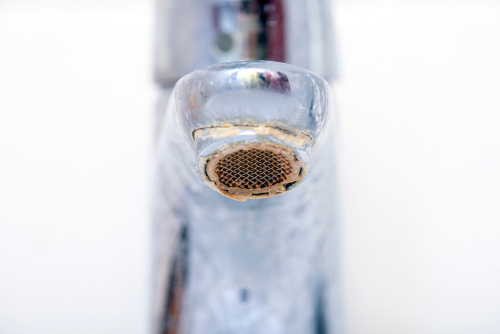
Hard water consistently troubles many homeowners, especially in areas with high mineral levels. California is one of these places, and even well-maintained homes often hide early damage from hard water behind the scenes. The signs start small: a bit of limescale around a faucet, a shower door that never looks completely clear, hair that feels dry regardless of the conditioner used. But these early clues indicate a larger, growing problem that impacts plumbing, appliances, and overall comfort.
Rooter Hero Plumbing & Air has helped many homeowners identify these issues early before they turn into costly repairs, and this guide will walk you through the signs that your home might need a whole-house water softener.
Why Hard Water Is Such a Big Problem in California
Many regions of California have very high mineral levels due to the state’s natural geology and reliance on groundwater. When water contains high amounts of calcium and magnesium, it acts differently from treated or softened water. It leaves a chalky film on surfaces, reduces the effectiveness of cleaning products, and slowly narrows the flow of water through pipes. Even newer homes face these issues.
Hard water becomes more than just an annoyance when daily chores get harder. Soap won’t lather properly. Towels feel rough. Dishwashers leave spots. These issues form a pattern, not just luck, and they often indicate a buildup happening throughout the plumbing system.
Hard water affects households differently, but the core problem remains the same across the state. When mineral-rich water flows through your pipes daily, it leaves behind residue that accumulates. That buildup can cause visible issues—and many that go unnoticed.
Visible Signs You’re Living with Hard Water
Cleaning should solve problems, not create more. Still, homes with hard water often seem impossible to keep spotless, no matter how much scrubbing is done. Limescale is usually the clearest sign that something is wrong.
This chalky, white residue appears when hard water evaporates, leaving behind its mineral content. Although it may seem like a cosmetic issue at first, it’s also a sign that buildup is forming inside the plumbing system.
You can often spot limescale early by paying close attention to areas that are constantly in contact with water.
These common trouble spots offer early clues about the severity of your hard water issue:
- Faucet aerators – A white crust around the opening that returns even after cleaning.
- Shower doors – Cloudy areas that never seem to polish to a full shine.
- Kitchen sinks – Mineral spots that dull the steel and require frequent wiping.
- Dishwashers – Residue left behind on dishes and glassware after the cycle ends.
- Washing machines – Stiff laundry, fading colors, or detergent that fails to dissolve completely.
Limescale is a clear sign that minerals are building up inside pipes at the same rate they form on fixtures. The sooner these indicators are noticed, the easier it is to prevent long-term plumbing damage.
What Hard Water Does to Skin, Hair, and Daily Comfort
While limescale leaves visible deposits, hard water also impacts the body in ways that homeowners often mistake for unrelated issues. Skin irritation is a common example. Minerals in hard water prevent soap from rinsing away thoroughly, leaving a film that sticks to the skin. This film can clog pores, cause dryness, and leave you with a tight, uncomfortable feeling after showering.
Hair reacts similarly when minerals coat the hair shaft. The results include dullness, brittleness, and color fading. Even high-quality shampoos struggle against mineral-rich water, making it harder to get soft, manageable hair. Families often try many products before realizing the leading cause is the tap water, not the bottle.
Laundry provides extra clues. Fabrics may feel rough or stiff because minerals attach to the fibers. Towels lose their softness, clothes can look prematurely worn, and dark items start to look faded. When several “small problems” occur at the same time, hard water is usually the cause.
How Hard Water Shortens Appliance Lifespan
While visible signs are easy to notice, hidden damage can cause the biggest long-term costs. Appliances that depend on water are especially prone to mineral buildup. The internal parts of water heaters, dishwashers, washing machines, and refrigerator ice makers are constantly exposed to this buildup.
Minerals accumulate in these systems, forming deposits on heating elements, obstructing internal passages, and forcing appliances to work harder. As efficiency declines, energy bills increase. This strain reduces the lifespan of appliances that should last more than a decade.
One common example is in water heaters. Scale collects at the bottom of the tank, forming a thick layer that makes the heater work harder to heat the water above it. A rumbling or popping noise from the unit often indicates that sediment buildup is starting to affect performance.
Hard water affects every system that relies on clean flow. Even if fixtures look clean on the outside, internal parts may be silently deteriorating. A whole-house water softener helps reduce this ongoing stress and can extend the life of expensive appliances.
Water Softener vs. Water Filtration: What’s the Difference?
Many homeowners think water filtration and water softening are the same, but they solve different problems. Water filtration enhances taste, smell, and cleanliness by removing contaminants like chlorine, sediment, and certain chemicals. Filtration systems are focused on improving water quality, not reducing water hardness.
A water softener, on the other hand, targets calcium and magnesium—the minerals responsible for limescale and buildup. Softeners replace those minerals with sodium or potassium ions, lowering water hardness and preventing scale formation.
Understanding the difference helps homeowners choose the right solutions for their needs. Some homes need both systems, especially in areas with high hardness and water treatment issues. Filtration provides cleaner drinking water, while softening safeguards plumbing and appliances.
This distinction becomes even more crucial in California, where mineral content varies significantly by region. Recognizing your specific water problems helps you select a system that delivers lasting value rather than short-term fixes.
When It’s Time to Call a Professional
Some signs of hard water are subtle at first, but they become more noticeable as the issue worsens. Homeowners often observe specific patterns that clearly indicate mineral buildup.
These red flags indicate that your water quality should be evaluated by a professional:
- Spotty dishes
- Cloudy shower doors
- Low water pressure
- Noisy water heaters
- Frequent plumbing issues
- Soap performance problems
- Laundry concerns
Any single sign might seem minor, but multiple signs appearing together usually indicate a hard water problem. A professional assessment helps homeowners understand their options and decide if a whole-house solution is suitable for their home.
How a Whole-House Water Softener Protects Your Home and Saves Money
A whole-house water softener provides complete protection for your plumbing, appliances, and everyday comfort. Instead of fixing problems after they happen, it prevents them from developing in the first place. This proactive method benefits the home in many ways.
Once installed, homeowners typically notice advantages such as:
- Softer skin and hair
- Cleaner dishes
- Improved laundry results
- Reduced mineral buildup
The long-term financial advantages are just as significant. Softeners help prolong the life of water heaters and dishwashers, lower plumbing repairs, and boost energy efficiency. These savings can greatly surpass the system's initial cost.
Treating the water before it enters the home’s plumbing network protects every pipe, fixture, and appliance connected to the system. This whole-home approach provides consistent results without needing maintenance in multiple areas.
Act Fast Before Hard Water Causes Serious Damage
Hard water might seem harmless at first, but over time, it can strain appliances, dull fixtures, reduce comfort, and increase repair costs. California homeowners who notice these early signs can take action to protect their plumbing and enhance their daily routines. A whole-house water softener provides consistent, dependable protection, keeping every part of the home functioning properly.
If you’ve noticed limescale, cloudy dishes, dry skin, or appliance issues, now is the time to explore a lasting solution with Rooter Hero Plumbing & Air. Call (866) 941-8214 or contact us online.

.jpg.2602061424199.webp)
.2512171224134.jpg)