

Springtime in California often means open windows, blooming landscapes, and—unfortunately—an uptick in allergy symptoms. While pollen outside gets much of the blame, indoor air can play a surprisingly large role in how comfortable your home feels during allergy season. As systems transition from winter use, dust, allergens, and moisture can circulate through your living space.
Homeowners looking to breathe a little easier often start by understanding how their HVAC system affects indoor air quality. At Rooter Hero Plumbing & Air, this seasonal shift is a common topic of conversation, especially when allergies seem worse indoors than outdoors.
Clearing Out Post-Winter Dust from Your HVAC System
During the colder months, homes are typically sealed tight. Windows stay closed, fresh-air circulation is limited, and HVAC systems recirculate the same air repeatedly. Dust, pet dander, and other debris settle inside ductwork and system components. When spring arrives, and systems run more frequently, that built-up “winter coat” doesn’t disappear—it gets redistributed throughout the home.
Homeowners may notice dust returning quickly after cleaning, stale or musty odors when the system turns on, or lingering allergy symptoms even indoors.
Several factors contribute to this seasonal buildup:
- Reduced ventilation during winter – Less fresh air means particles stay trapped inside the system longer.
- Constant air recirculation – Dust and allergens continue moving through ducts instead of being flushed out.
- Infrequent filter changes – Filters that aren’t replaced regularly can become less effective.
Addressing post-winter dust is often one of the first steps toward improving springtime indoor air quality.
HEPA vs. MERV Filters: What Works Best for High-Pollen Areas?
Air filters are a key line of defense against airborne allergens, but not all filters are the same or intended for the same systems. Understanding the differences can help homeowners make informed choices without unintentionally stressing their HVAC equipment.
Understanding HEPA Filters
HEPA stands for high-efficiency particulate air. These filters are designed to capture 99.97% of particles as small as 0.3 microns, including many allergens. They use a superfine mesh that traps extremely small particles effectively.
However, that dense construction also restricts airflow. In most standard residential HVAC systems, this restriction can force the system to work harder than intended, potentially leading to performance issues. For this reason, HEPA filters are typically used in medical facilities or environments that require extreme air purity rather than in typical homes.
Understanding MERV Ratings
MERV, or minimum efficiency reporting value, measures how well a filter captures particles on a scale from 1 to 16. The higher the rating, the finer the filtration. Unlike HEPA filters, MERV-rated filters are designed for residential HVAC systems and maintain a more balanced airflow.
For most homes, a MERV rating between 8 and 13 offers an effective middle ground, capturing common allergens like pollen and dust while still allowing air to move freely through the system. Think of it as a coarser mesh than HEPA: less restrictive but well-suited for everyday residential use. Choosing the right filter is less about maximum filtration and more about compatibility with your system.
The Role of Humidity in Springtime Air Quality
Spring in California can bring fluctuating temperatures and localized moisture, especially during early-season storms. While some humidity is normal, excessive moisture inside an HVAC system can create conditions that promote mold growth. Mold spores circulating through ductwork can aggravate allergy symptoms and affect indoor air quality.
Areas such as evaporator coils, drain pans, and duct interiors are especially vulnerable when moisture isn’t properly managed.
Homeowners can support healthier indoor air by paying attention to humidity-related factors, including:
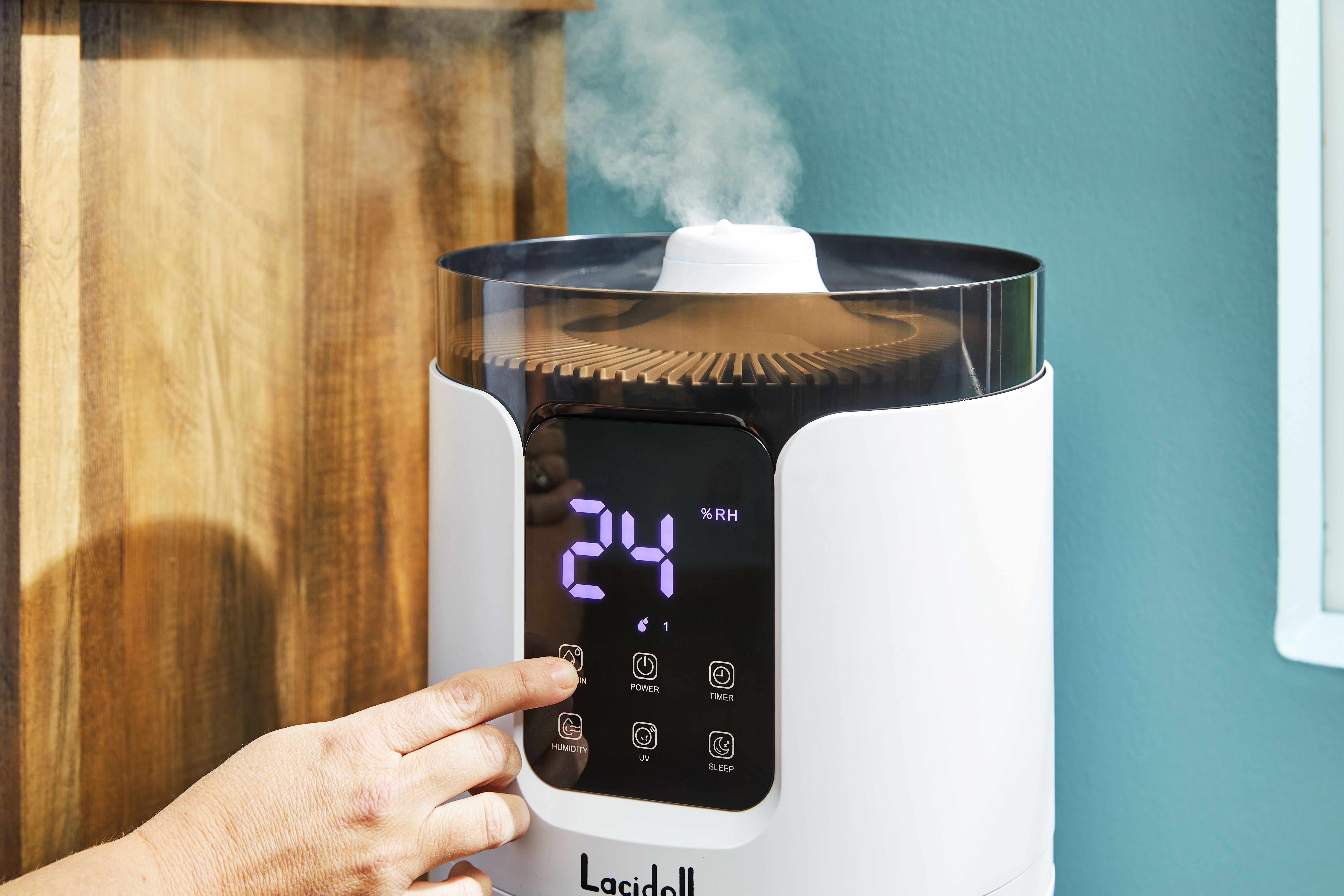
- Monitoring indoor humidity levels – Keeping humidity within a moderate range helps limit mold-friendly conditions.
- Ensuring proper system drainage – Clear drain lines reduce the chance of standing water inside the system.
- Avoiding over-humidification – Adding unnecessary moisture can do more harm than good during allergy season.
Managing humidity is often overlooked in spring HVAC care, but it plays an important role in maintaining cleaner indoor air.
Simple HVAC Habits That Support Better Indoor Air
Improving indoor air quality doesn’t always require major changes. A few consistent habits can make a noticeable difference during allergy season. Replacing air filters regularly, especially during high-pollen months, helps maintain effective filtration. Paying attention to changes in airflow or unusual odors can also alert homeowners to potential issues.
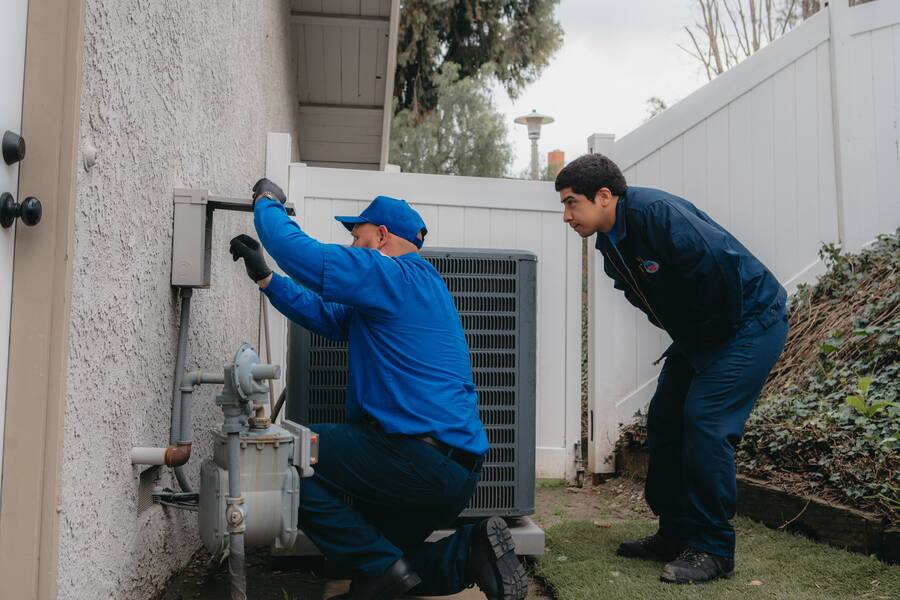
Periodic HVAC checkups are another way to stay ahead of seasonal concerns. Routine maintenance keeps systems running as designed and helps identify potential issues before they escalate. For homeowners who prefer a proactive approach, maintenance plans provide a structured way to stay on schedule without guesswork.
Breathing Easier Through California’s Allergy Season
Allergy season may be unavoidable, but discomfort indoors doesn’t have to be. Clearing out winter dust, selecting a filter that balances filtration and airflow, and keeping humidity in check can all support cleaner indoor air during the California spring.
For homeowners seeking additional guidance or a professional perspective on their system’s condition, Rooter Hero Plumbing & Air is a valuable resource for maintaining comfort and air quality year-round.
Contact our team at (866) 941-8214 to discuss your indoor air quality needs.